

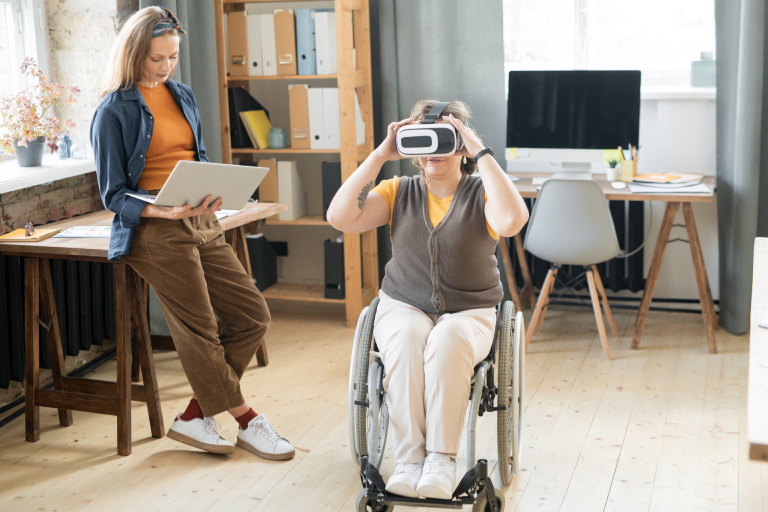

Assistive technology is advancing rapidly, with innovations set to redefine accessibility, independence, and quality of life for people with disabilities by 2026. From AI-driven devices to wearable sensors and immersive rehabilitation tools, emerging trends are transforming healthcare, daily living, and cognitive support.
AI-powered adaptive devices are at the forefront. Intelligent prosthetics, smart hearing aids, and vision-enhancing tools are learning user preferences, adjusting in real time, and predicting needs. AI algorithms optimize performance, personalize therapy, and provide actionable feedback, creating highly responsive and user-centered solutions.
Wearable assistive technology is becoming increasingly sophisticated. Devices such as exoskeletons, smart orthotics, and biosensor-enabled wearables monitor movement, health metrics, and adherence to therapy routines. These wearables support mobility, rehabilitation, and independence while providing real-time data to clinicians for better care management.
Remote rehabilitation and tele-assistive solutions are expanding access. Platforms that integrate wearables, sensors, and mobile apps allow patients to complete therapy at home while clinicians monitor progress remotely. Tele-rehabilitation ensures continuity of care for patients in rural or underserved areas, reducing travel and increasing adherence.
Immersive technologies like VR and AR are creating engaging environments for therapy and skill development. Cognitive training, physical rehabilitation, and sensory stimulation programs are becoming more interactive and enjoyable. Immersive tools help patients practice real-life tasks safely, improving functional outcomes and motivation.
Integration with health data systems is a growing trend. Assistive devices now sync with electronic health records (EHRs) and mobile platforms, providing clinicians with a comprehensive view of patient progress. This integration supports coordinated care, predictive analytics, and personalized therapy adjustments, ensuring better outcomes.
AI-driven cognitive and sensory support is improving independence for people with impairments. Smart home systems, speech-generating devices, and adaptive interfaces help users navigate daily tasks, communicate effectively, and maintain autonomy. These tools combine predictive analytics and automation to anticipate user needs and provide seamless assistance.
Focus on accessibility and affordability is shaping technology adoption. Innovations in materials, manufacturing, and open-source platforms are making advanced assistive devices more affordable and widely available. As cost barriers decrease, more individuals can access life-changing tools that improve mobility, communication, and daily functioning.
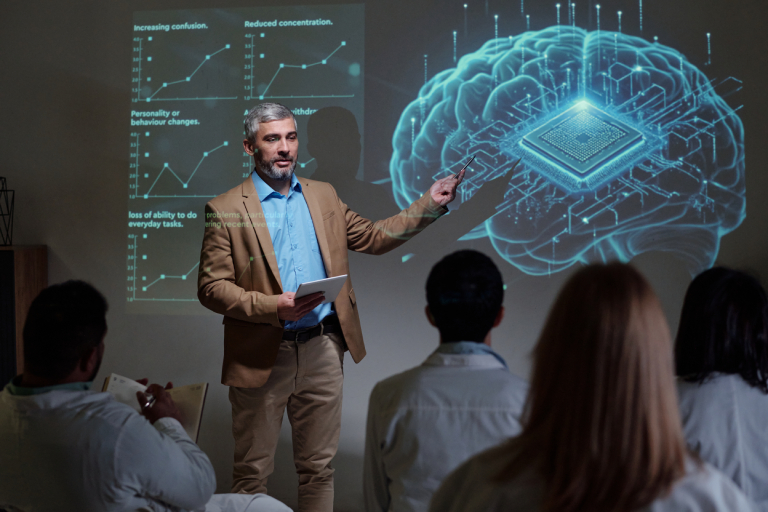
Future-ready trends include brain-computer interfaces, predictive AI rehabilitation, and fully integrated assistive ecosystems. These solutions aim to combine physical, cognitive, and sensory support in a single, seamless system, enabling users to interact with their environment naturally and independently.








Leave a Comment