

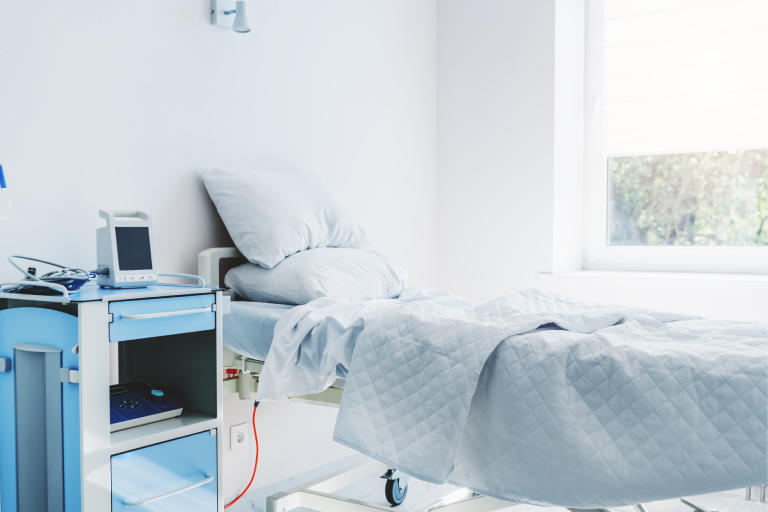

The Internet of Things (IoT) is revolutionizing hospital operations and patient care, connecting devices, systems, and facilities to create smarter, more efficient healthcare environments. From smart beds to connected monitoring systems, IoT solutions enhance safety, optimize workflows, and improve patient experiences.
Smart beds are one of the most visible applications. Equipped with sensors, they monitor patient movement, vital signs, and occupancy status. Alerts notify nurses if a patient attempts to leave the bed unsafely or requires repositioning, reducing falls, pressure ulcers, and other complications while improving overall patient safety.
Connected medical devices enable seamless monitoring and data collection. IoT devices such as infusion pumps, ventilators, and wearable sensors transmit real-time data to centralized systems. Clinicians can track patient status remotely, detect anomalies early, and respond quickly, improving care outcomes and operational efficiency.
Energy-efficient and facility management systems are enhanced through IoT integration. Smart lighting, climate control, and HVAC systems adjust automatically based on occupancy and usage patterns. This not only reduces energy consumption but also creates a more comfortable and patient-friendly environment.
Automated workflow optimization is another benefit. IoT systems track equipment, medications, and staff movements, ensuring resources are available where needed. Hospitals can minimize delays, reduce wasted time searching for tools, and streamline operations across departments.
Enhanced infection control is facilitated by connected sensors. IoT devices monitor room occupancy, hand hygiene compliance, and equipment sanitation schedules. Real-time data allows infection control teams to intervene promptly, reducing hospital-acquired infections and improving patient safety.
Patient engagement and experience are elevated with IoT-enabled solutions. Connected beds, monitors, and apps provide patients with real-time feedback, personalized comfort settings, and interactive interfaces for communication with caregivers. This fosters a more responsive and patient-centered environment.
Predictive maintenance and safety are critical for hospital infrastructure. IoT sensors monitor medical equipment, elevators, HVAC systems, and power supplies, alerting facilities teams before failures occur. This reduces downtime, prevents disruptions to care, and ensures that hospitals operate reliably around the clock.
Integration with hospital information systems (HIS) ensures seamless data flow. IoT-generated data from beds, devices, and environmental sensors can be combined with patient records and operational dashboards, providing administrators and clinicians with actionable insights for both care delivery and facility management.









Leave a Comment