



In modern healthcare, time is often the most critical factor. Every minute counts, especially in emergency care, oncology, and critical illness management. Smart diagnostic equipment—ranging from AI-assisted imaging to connected monitoring devices—is transforming how hospitals move from detection to diagnosis, ensuring patients receive timely and precise care.
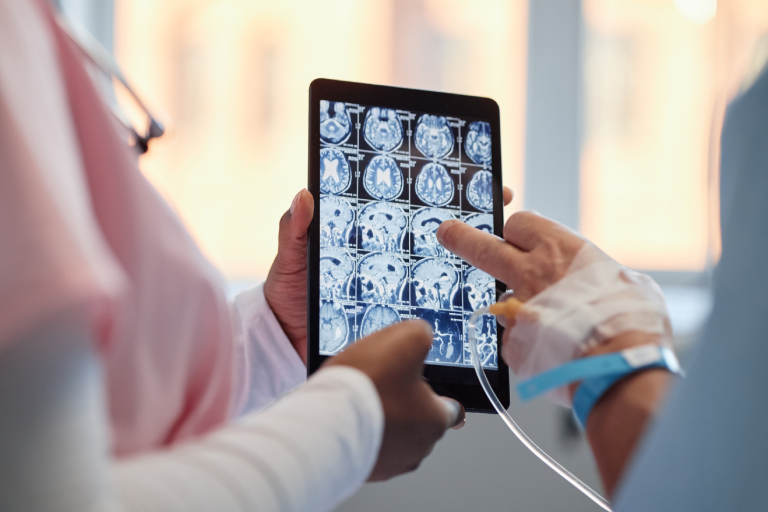
Smart imaging systems are at the forefront of this transformation. MRI, CT, and X-ray machines now come equipped with AI algorithms that automatically analyze images, detect anomalies, and highlight areas of concern for radiologists. This significantly reduces the time required for manual interpretation. For example, an AI-powered MRI scan can flag early signs of tumors or strokes within minutes, whereas traditional methods might take hours. By accelerating the initial detection phase, hospitals can move patients into treatment plans faster, improving outcomes and potentially saving lives.
Integration with electronic health records (EHRs) further enhances efficiency. Modern diagnostic equipment can automatically feed imaging and test results into a patient’s digital record, allowing doctors to access real-time data without delays. Clinicians can quickly compare current results with past scans, track disease progression, and coordinate with specialists for faster decision-making. This connectivity reduces the chances of miscommunication, ensures continuity of care, and supports a more streamlined diagnostic workflow.
Point-of-care (POC) devices are another key component of smart diagnostics. Compact testing units for blood, urine, or infectious diseases provide results in minutes rather than hours. These devices are particularly valuable in emergency rooms, ICU settings, and remote clinics, where rapid decisions can be lifesaving. Coupled with cloud-based reporting and AI interpretation, POC devices allow healthcare teams to act on accurate information almost instantly, rather than waiting for lab results.
Wearable health technology is also bridging the gap between detection and diagnosis. Continuous monitoring devices for heart rate, glucose levels, oxygen saturation, and other vital signs allow clinicians to detect abnormalities early and intervene before conditions worsen. AI-driven algorithms can even predict potential complications, alerting healthcare providers to at-risk patients and enabling proactive care strategies.
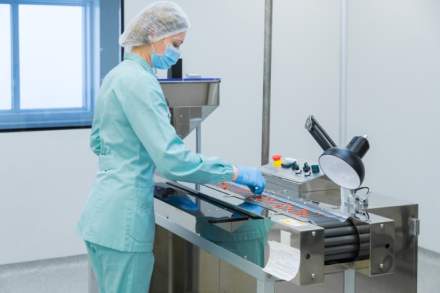
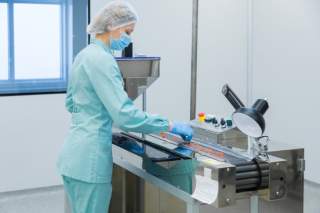
Automation and workflow optimization complement smart diagnostic tools. Robotics-assisted lab processing, automated imaging analysis, and AI triage systems minimize repetitive tasks and human error. This allows hospital staff to focus on complex cases while ensuring routine processes are completed swiftly and accurately. The result is a more responsive healthcare system that prioritizes patient outcomes over administrative delays.
In conclusion, smart diagnostic equipment is revolutionizing the journey from detection to diagnosis. By integrating AI, connectivity, POC testing, wearables, and automation, hospitals can deliver faster, more accurate, and more patient-centered care. The future of healthcare is not just about advanced technology—it’s about speed, precision, and actionable insights that empower clinicians to make the right decisions at the right time. Hospitals that embrace these innovations can significantly improve patient experiences, reduce treatment delays, and enhance overall healthcare efficiency.



Leave a Comment