

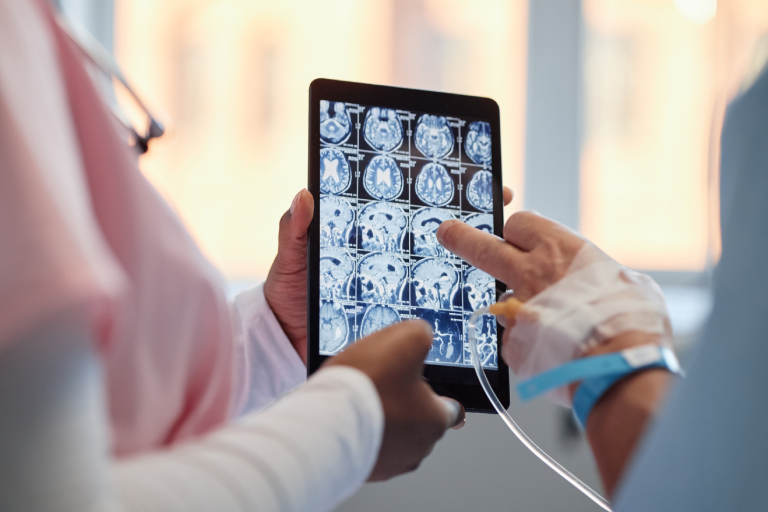

Healthcare is evolving at an unprecedented pace, and hospitals are at the forefront of adopting cutting-edge diagnostic technologies. Accurate and timely diagnostics are the foundation of effective patient care, and 2026 is set to bring transformative innovations that will reshape how hospitals detect, monitor, and treat diseases. From AI-powered imaging to smart laboratory systems, these advancements are revolutionizing the hospital experience for both clinicians and patients.
1. AI-Powered Imaging
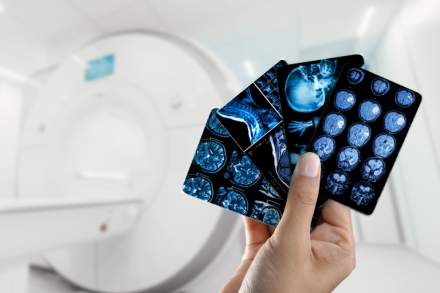
Artificial intelligence is no longer a futuristic concept—it’s now embedded in hospital diagnostic workflows. AI algorithms can analyze MRI, CT, and X-ray images faster and more accurately than ever before. By highlighting anomalies, predicting disease progression, and assisting radiologists in decision-making, AI reduces errors and accelerates diagnosis. Hospitals implementing AI-driven imaging report improved detection of conditions such as tumors, cardiovascular diseases, and neurological disorders, leading to earlier interventions and better outcomes.
2. Portable and Handheld Ultrasounds
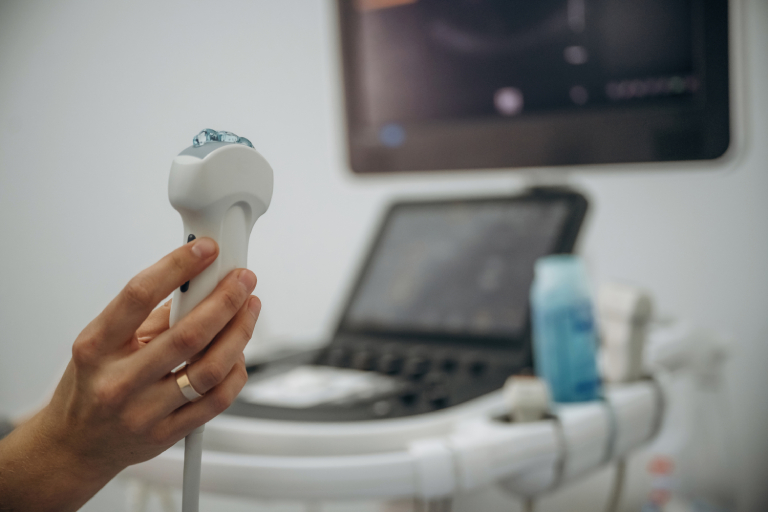
Portable ultrasound devices are breaking the barriers of traditional imaging. Compact, high-resolution units allow clinicians to perform scans at the bedside, in emergency rooms, or even in rural clinics. Coupled with AI for real-time analysis, these devices speed up assessments, reduce patient transfers, and enhance accessibility. Handheld units are particularly valuable in point-of-care diagnostics, enabling rapid evaluation in critical situations, from trauma cases to cardiac emergencies.
3. Next-Generation Laboratory Automation
Laboratories are embracing automation to improve accuracy, efficiency, and turnaround times. Automated sample processing, AI-assisted diagnostics, and robotic lab systems are minimizing human error and speeding up results. These innovations allow hospitals to handle higher volumes of tests, maintain consistent quality, and free laboratory staff to focus on complex analyses that require human expertise. Faster lab results mean doctors can make informed treatment decisions sooner, directly benefiting patient care.
4. Predictive Analytics and Data Integration
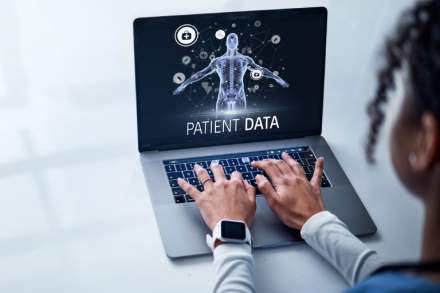
Hospitals are leveraging big data and predictive analytics to anticipate patient needs before they become critical. By integrating data from electronic health records, imaging devices, and wearable health monitors, predictive models can identify patients at risk of complications, recommend additional tests, and suggest preventive interventions. This proactive approach reduces hospital readmissions, optimizes resource allocation, and improves overall patient outcomes.
5. Smart Point-of-Care Testing Devices
Point-of-care (POC) testing devices are enabling rapid diagnostics outside traditional labs. From bedside blood tests to portable infectious disease analyzers, POC devices deliver results within minutes, helping clinicians make immediate treatment decisions. Their portability and speed are particularly valuable in emergency departments, intensive care units, and remote healthcare settings, where timely decisions can save lives.
Conclusion
The diagnostic landscape in hospitals is rapidly evolving, driven by AI, portable imaging, automation, predictive analytics, and smart POC devices. These innovations are not just improving speed and accuracy—they are transforming the patient experience, reducing risks, and enabling healthcare providers to deliver more personalized, effective care. Hospitals that embrace these technologies in 2026 will lead the way in efficiency, patient safety, and medical excellence.





Leave a Comment