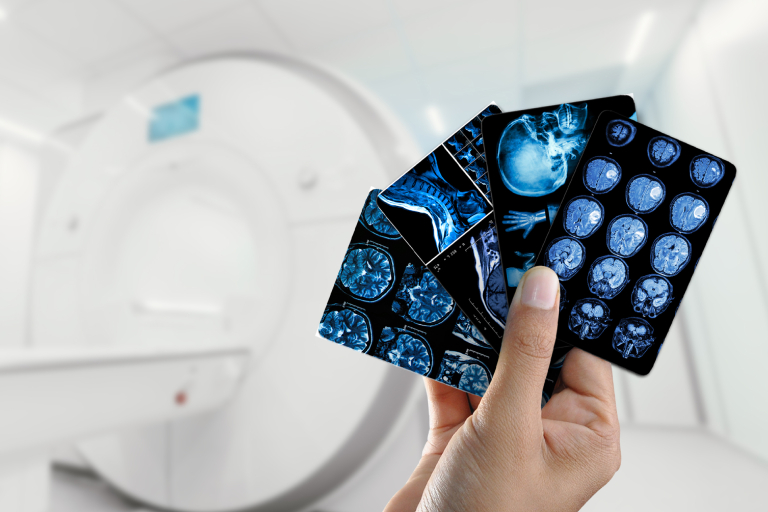

The world of medical imaging is undergoing a profound transformation, thanks to artificial intelligence (AI). Magnetic Resonance Imaging (MRI) and Computed Tomography (CT) scans are indispensable tools in modern diagnostics, providing detailed insights into the human body. Traditionally, interpreting these scans has required highly trained radiologists and often time-consuming analysis. AI is now stepping in to enhance precision, speed, and overall patient care.
One of the most significant impacts of AI in medical imaging is automated image analysis. AI algorithms can quickly identify anomalies, highlight areas of concern, and even quantify tissue changes with remarkable accuracy. For instance, AI-powered tools can detect early-stage tumors, vascular abnormalities, or brain lesions faster than the human eye alone. This reduces diagnostic errors, allows for earlier intervention, and ultimately improves patient outcomes. In oncology, for example, AI algorithms can distinguish malignant from benign growths, enabling doctors to make faster, more confident treatment decisions.
Another area where AI is making a difference is workflow efficiency. Traditionally, MRI and CT scans generate massive amounts of data that radiologists must painstakingly review. AI algorithms can pre-process images, flag urgent cases, and prioritize scans for review based on severity. This ensures that critical conditions are identified immediately, reducing delays in treatment. Hospitals implementing AI-driven imaging solutions report significant reductions in reporting time, enabling radiologists to focus on complex cases rather than repetitive tasks.
Image enhancement and reconstruction is also being revolutionized. AI can generate high-resolution images from low-dose scans, minimizing patient exposure to radiation while maintaining diagnostic quality. This is particularly important in CT scans, where radiation levels have always been a concern. Enhanced imaging allows for clearer visualization of soft tissues, blood vessels, and organs, leading to more accurate diagnoses without compromising patient safety.
Furthermore, AI integration is enabling predictive analytics in imaging. By analyzing patterns across thousands of scans, AI systems can anticipate disease progression, recommend follow-up tests, and even suggest personalized treatment plans. Radiologists can combine these insights with clinical knowledge to make data-driven decisions that are both faster and more accurate. This represents a shift from reactive diagnostics to proactive healthcare management.
Despite these advancements, AI is not meant to replace radiologists but rather to augment their expertise. Radiologists still interpret results, consider patient history, and make final clinical decisions. AI acts as a powerful assistant—reducing routine workload, minimizing errors, and allowing for greater focus on complex cases.
In conclusion, AI is revolutionizing MRI and CT scans by enhancing diagnostic accuracy, improving workflow efficiency, and enabling predictive healthcare. From faster tumor detection to reduced radiation exposure, the benefits are tangible and transformative. As AI technology continues to evolve, it promises an even more efficient, precise, and patient-centered approach to medical imaging, ultimately reshaping how healthcare providers detect, diagnose, and treat diseases.




Hi, this is a comment.
To get started with moderating, editing, and deleting comments, please visit the Comments screen in the dashboard.
Commenter avatars come from Gravatar.