

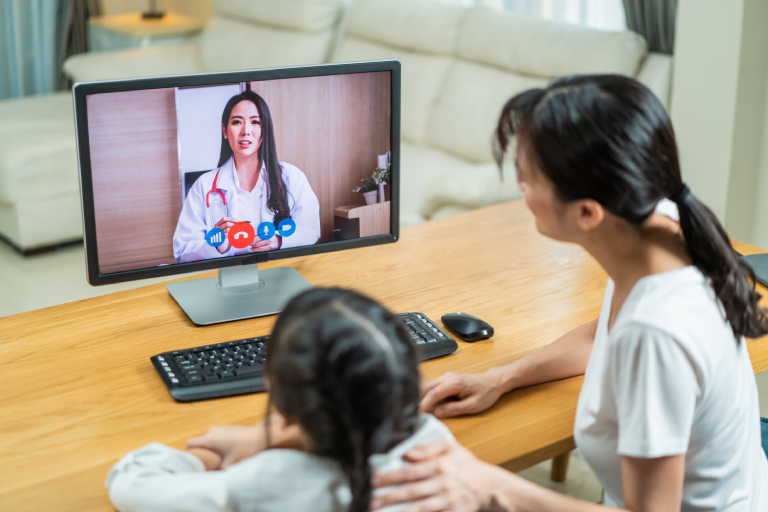

Access to healthcare has long been a challenge for rural communities, where hospitals and specialists are often far away. Telehealth is changing this reality, bringing high-quality care directly to patients regardless of location. By leveraging video consultations, remote monitoring, and digital communication tools, telehealth platforms are bridging the healthcare gap for underserved populations.
One of the most significant benefits of telehealth in rural areas is improved accessibility. Patients who previously faced long travel times or limited appointment availability can now consult with physicians and specialists from their homes. This is particularly valuable for patients with mobility issues, chronic illnesses, or limited transportation options. Rural patients can receive timely care, reducing delays in diagnosis and treatment that could worsen health outcomes.
Remote monitoring tools complement telehealth by enabling continuous tracking of vital signs and chronic conditions. Devices such as wearable sensors, smart patches, and mobile health apps allow clinicians to monitor heart rate, glucose levels, oxygen saturation, and blood pressure in real time. Data collected from these devices can be securely transmitted to providers, who can detect early warning signs and intervene before complications arise. This proactive approach reduces hospital visits and emergency care, which can be costly and disruptive for rural patients.
Telehealth platforms also integrate AI and predictive analytics, enhancing care quality. Machine learning algorithms analyze patient data to detect trends, predict risks, and provide actionable insights. For example, AI can identify early signs of cardiovascular issues or respiratory distress, allowing clinicians to recommend timely interventions. This predictive capability ensures that rural patients receive care that is both preventive and personalized.
Specialized telehealth services are expanding access to critical care that is often unavailable in rural areas. Telepsychiatry, telecardiology, and teledermatology platforms provide specialized consultations without requiring patients to travel long distances. Patients can access mental health services, cardiac evaluations, and dermatological care through secure video calls and app-based platforms. This helps address healthcare disparities while improving patient outcomes.
Education and patient engagement are also key components of rural telehealth. Platforms provide educational resources, reminders for medication adherence, and interactive dashboards that empower patients to take control of their health. By staying engaged and informed, rural patients can manage chronic conditions more effectively and adopt healthier behaviors.
Cost-effectiveness and resource optimization further highlight the value of telehealth for rural communities. By reducing the need for travel and in-person visits, telehealth saves patients time and money while enabling clinics to serve more patients efficiently. Hospitals and healthcare providers can optimize their resources, focusing in-person care on patients who truly need hands-on attention.








Leave a Comment