

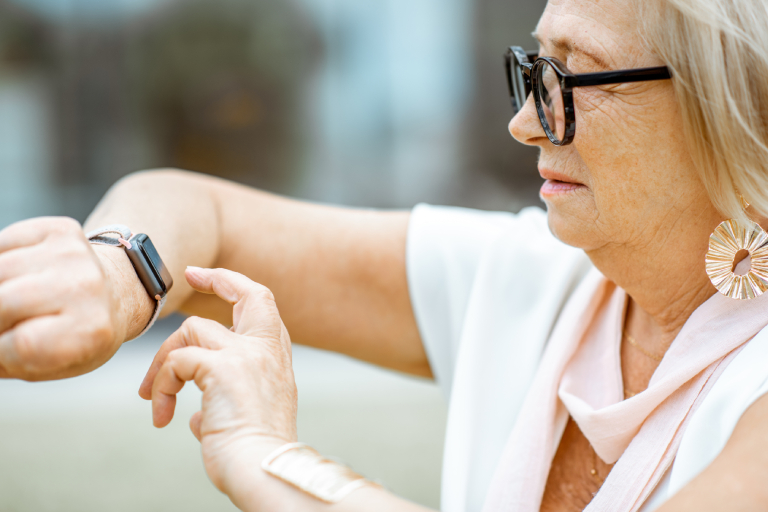

Chronic diseases such as diabetes, heart disease, and respiratory disorders require continuous monitoring and proactive management. Traditional healthcare approaches, which rely heavily on periodic clinic visits, often miss early warning signs of deterioration. Wearable devices are changing this paradigm, providing real-time data and actionable insights that empower patients and clinicians to manage chronic conditions more effectively.
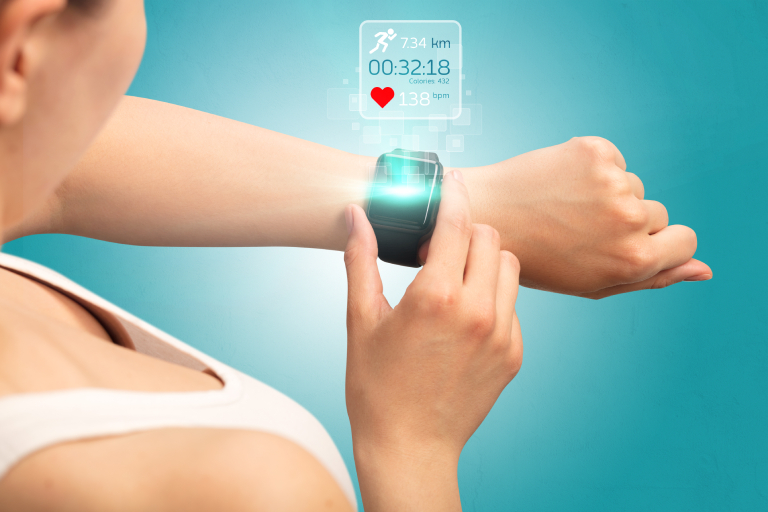
Smartwatches and fitness trackers are among the most widely used wearables for chronic disease management. Advanced models go beyond basic activity tracking to monitor heart rate, heart rhythm, oxygen saturation, and sleep patterns. For cardiac patients, these devices can detect arrhythmias, track blood pressure trends, and alert both patients and doctors to irregularities. Continuous monitoring reduces the risk of sudden complications and allows for timely interventions, ultimately improving patient outcomes.
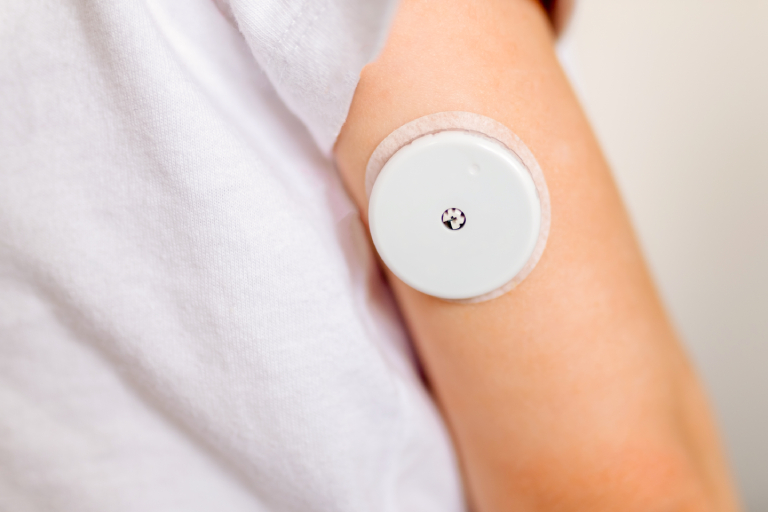
Continuous glucose monitors (CGMs) are transforming diabetes management. These small wearable sensors provide real-time blood sugar readings and trend data, enabling patients to adjust diet, insulin doses, and activity levels proactively. CGMs often integrate with mobile apps that provide alerts, historical data, and predictive analytics, helping prevent dangerous hypoglycemic or hyperglycemic events. By offering continuous insights rather than snapshots, CGMs reduce hospital visits and empower patients to take control of their condition.
Wearable respiratory monitors are emerging as essential tools for patients with chronic obstructive pulmonary disease (COPD) or asthma. Devices like smart inhalers or chest-worn sensors track lung function, monitor environmental triggers, and record medication adherence. Data collected from these devices can be transmitted to healthcare providers for remote monitoring, ensuring that interventions occur before a patient’s condition worsens. Early detection of breathing irregularities can prevent emergency visits and improve quality of life.
Smart patches and biosensors are another innovation driving chronic disease management. These discreet devices adhere to the skin and monitor physiological markers such as temperature, hydration levels, heart rate variability, and stress indicators. For patients with complex conditions like heart failure or post-operative recovery needs, these devices provide continuous monitoring without disrupting daily life. They can also integrate with telehealth platforms, enabling clinicians to adjust treatment plans based on real-time data.
The integration of AI and predictive analytics is a game-changer for wearable technology. Algorithms can analyze patterns over time, predict exacerbations, and recommend personalized interventions. For example, AI can anticipate a diabetic patient’s glucose spikes based on diet, activity, and historical data, or predict COPD flare-ups by analyzing breathing trends. This predictive capability transforms chronic disease management from reactive to proactive care.








Leave a Comment