
Remote patient care has become a cornerstone of modern healthcare, and a growing number of digital platforms are transforming how clinicians monitor, communicate with, and treat patients outside traditional hospital settings. These platforms are not just about convenience—they are improving outcomes, reducing costs, and enabling more personalized, continuous care.
One of the most impactful types of platforms is remote patient monitoring (RPM) systems. Devices like wearable sensors, smart patches, and home-based monitors collect data on heart rate, blood pressure, glucose levels, oxygen saturation, and more. RPM platforms aggregate this data, providing clinicians with real-time insights into patient health. Hospitals and clinics can detect early warning signs of deterioration, intervene quickly, and reduce hospital readmissions. This proactive approach is particularly valuable for patients with chronic conditions like diabetes, cardiovascular disease, or COPD.
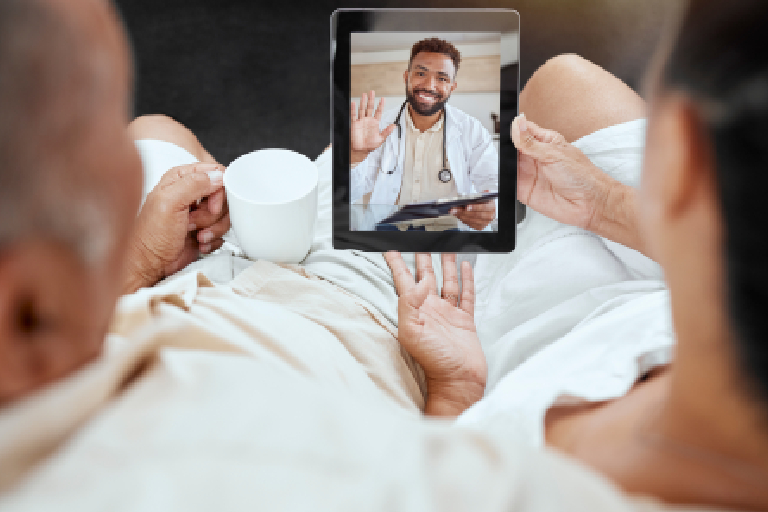
Telehealth platforms are also revolutionizing remote care. These platforms integrate video consultations, secure messaging, and asynchronous communication, allowing patients to access doctors from anywhere. Beyond simple video calls, advanced platforms include AI-assisted triage, symptom tracking, and medication management tools. Patients can share lab results, images, and health metrics with their providers, creating a seamless flow of information that supports informed, timely medical decisions.
AI and predictive analytics integration is another game-changing feature. Platforms now use machine learning algorithms to analyze patient data, detect patterns, and predict potential health risks. For example, AI can flag irregular heart rhythms, detect early signs of infection, or predict potential glucose spikes in diabetic patients. By providing actionable insights, these platforms empower clinicians to intervene proactively, reducing complications and improving long-term outcomes.
Patient engagement tools embedded in these platforms are equally transformative. Interactive dashboards, medication reminders, and educational content keep patients actively involved in their own care. High engagement improves adherence to treatment plans, encourages healthier behaviors, and fosters a sense of accountability. Platforms that integrate gamification or progress tracking further motivate patients, making remote care more effective and sustainable.
Integration with electronic health records (EHRs) ensures that all remote patient data is accessible in one place. This interoperability allows clinicians to view trends over time, compare historical results, and coordinate care across multiple providers. Seamless data flow not only improves clinical decision-making but also reduces administrative burdens, ensuring care is both efficient and comprehensive.
Finally, specialized platforms are emerging for specific patient populations, including telecardiology, telepsychiatry, and tele-oncology. These platforms provide tailored tools for diagnosis, monitoring, and treatment in specialized fields, ensuring that remote care meets the same standards as in-person visits.




Leave a Comment