

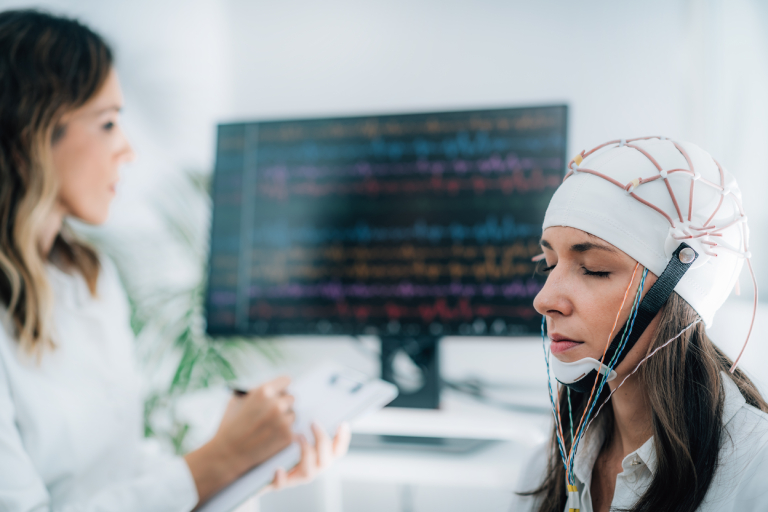

Cognitive health is gaining increasing attention, and technology is playing a pivotal role in supporting memory, attention, and overall brain function. From smart apps to wearable devices, tech innovations are transforming cognitive rehabilitation and daily support for individuals with memory impairments, dementia, or brain injuries.
Cognitive training apps and platforms provide targeted exercises to strengthen memory, attention, problem-solving, and executive function. Gamified interfaces make these exercises engaging, encouraging consistent use, which is critical for measurable improvements. These apps often adapt to individual performance, offering personalized difficulty levels and feedback.
Wearable devices monitor cognitive performance and detect early signs of decline. Smart watches, headbands, and biosensors can track sleep patterns, heart rate variability, and activity levels—factors linked to cognitive health. Some devices provide reminders for daily tasks, medication adherence, or hydration, supporting independent living.
AI-driven programs are enhancing rehabilitation by analyzing user interactions and predicting cognitive decline patterns. Machine learning algorithms can tailor training routines to target specific deficits, track progress over time, and provide actionable insights for clinicians, caregivers, and users.
Virtual reality (VR) and augmented reality (AR) are emerging as powerful tools for cognitive stimulation. VR environments immerse users in interactive scenarios that challenge memory, spatial navigation, and problem-solving skills. These experiences simulate real-life activities, supporting functional improvements that transfer to everyday tasks.
Integration with healthcare systems ensures coordinated care. Cognitive health apps and devices can sync data with electronic health records (EHRs), allowing clinicians to monitor progress remotely, adjust interventions, and communicate effectively with caregivers. This continuous feedback loop supports more personalized and responsive treatment plans.
Applications for mental wellness extend beyond clinical rehabilitation. Devices and apps that provide mindfulness training, stress management, and cognitive games help maintain mental sharpness in aging populations. By combining stimulation with lifestyle tracking, users can optimize their cognitive health proactively.
Future innovations include brain-computer interfaces, AI-driven neurofeedback, and adaptive environments that respond to cognitive performance. These technologies promise highly personalized cognitive support, enabling individuals to maintain independence, improve function, and slow cognitive decline.






Leave a Comment