

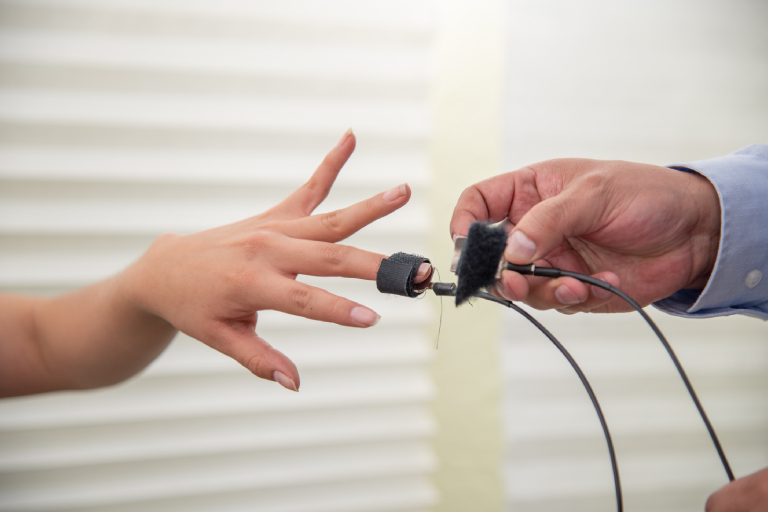

Technology is reshaping support for individuals with sensory impairments, providing smart devices that enhance independence, communication, and daily functionality. From hearing aids to vision-enhancing gadgets, these innovations are bridging gaps and improving quality of life for millions of people worldwide.
Advanced hearing aids are now equipped with AI-powered noise filtering, directional microphones, and real-time language translation. These devices enhance auditory perception, reduce background noise, and allow users to focus on conversations, even in noisy environments. Some smart hearing aids connect to smartphones or smart home systems, enabling seamless integration into daily life.
Vision assistance technologies are evolving rapidly. Smart glasses, electronic magnifiers, and wearable cameras help individuals with low vision or blindness navigate their surroundings, read text, and recognize faces. Devices can provide auditory or haptic feedback to guide movement and enhance spatial awareness, supporting mobility and independence.
Communication aids for sensory impairments are becoming more intuitive. Speech-generating devices, eye-tracking systems, and adaptive keyboards allow users to interact effectively, whether they have hearing, speech, or visual challenges. AI-powered predictive text and gesture recognition further enhance communication speed and accuracy.
Integration with smartphones and apps enhances functionality. Many smart devices now connect to mobile platforms, enabling users to receive notifications, control settings, and track usage data. This connectivity empowers individuals to customize devices for specific needs, monitor performance, and receive software updates that continually improve functionality.
Wearable and portable solutions extend accessibility. Devices such as vibrating alert systems, tactile watches, and GPS-enabled navigation aids allow users to receive environmental cues, track locations, and maintain independence in daily activities. These portable tools are particularly valuable in public spaces, workplaces, and educational settings.
AI and machine learning are improving adaptability. Smart sensory devices can learn user preferences, adjust settings automatically, and predict environmental challenges. For example, vision devices can enhance contrast or highlight objects in real time, while hearing aids can automatically adapt to changing sound environments.
Applications in education and employment are expanding. Sensory assistive technologies enable students with impairments to access learning materials, participate in classrooms, and communicate with peers. Similarly, in professional settings, these devices facilitate productivity, collaboration, and inclusion, helping users reach their full potential.
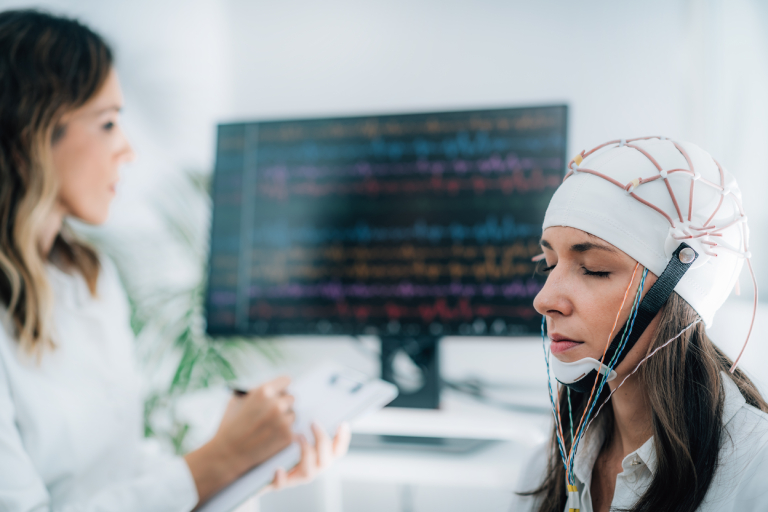
Future trends point toward even more seamless integration. Brain-computer interfaces, advanced haptic feedback systems, and AI-driven multi-sensory devices promise to create fully immersive and responsive support systems, allowing users to interact with their environments more naturally and intuitively.





Leave a Comment