

Home healthcare is evolving rapidly, moving beyond traditional in-person visits to a connected ecosystem powered by advanced monitoring systems. These technologies allow healthcare providers to continuously track patients’ health, intervene proactively, and deliver high-quality care without requiring hospitalization. As chronic diseases and an aging population drive demand for at-home care, connected monitoring systems are reshaping the future of healthcare delivery.
Continuous remote monitoring is at the heart of these systems. Devices such as wearable sensors, smart patches, connected scales, blood pressure cuffs, and pulse oximeters collect real-time data on vital signs and patient activity. This constant stream of information enables clinicians to detect early warning signs of complications, adjust treatment plans, and prevent hospitalizations. For example, a patient recovering from heart surgery can be monitored for abnormal heart rhythms, oxygen saturation, or fluid retention, ensuring timely interventions and safer recovery at home.
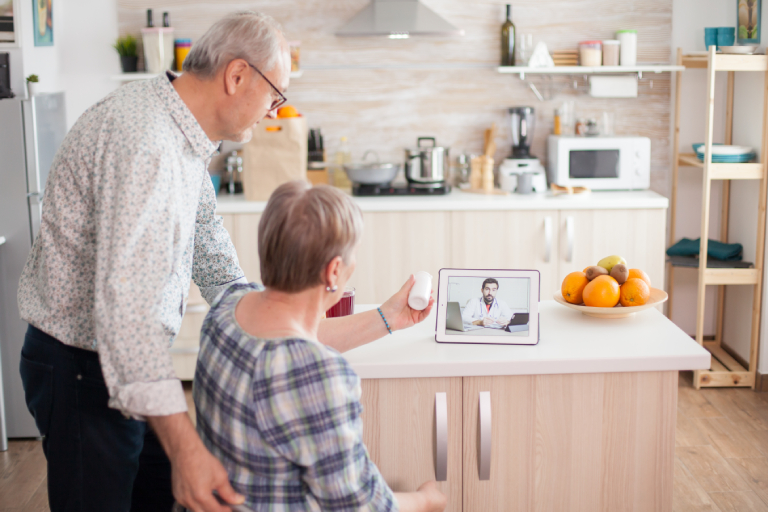
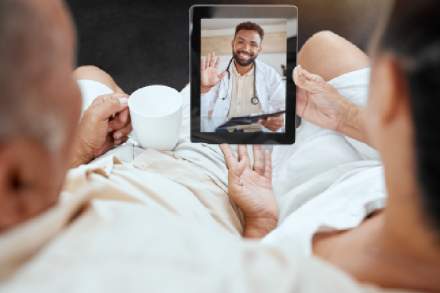
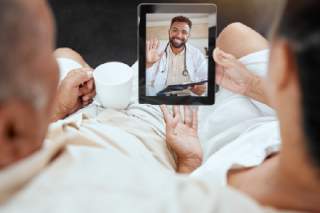
Integration with telehealth platforms is another key advantage. Patients can share their data with clinicians during virtual consultations, receive guidance, and adjust care plans in real time. Connected systems enable doctors to maintain a continuous view of a patient’s health, eliminating the need for frequent office visits while ensuring care quality remains high. Telehealth integration also facilitates quick responses to emergencies, reducing delays that can be critical for at-risk patients.
AI and predictive analytics are transforming home monitoring from reactive to proactive care. Machine learning algorithms analyze trends in patient data, detect deviations from normal patterns, and predict potential health events. For instance, predictive models can identify early signs of heart failure exacerbation, glucose spikes in diabetics, or respiratory distress in COPD patients. By anticipating these events, connected monitoring systems allow clinicians to intervene before complications escalate, improving outcomes and reducing healthcare costs.
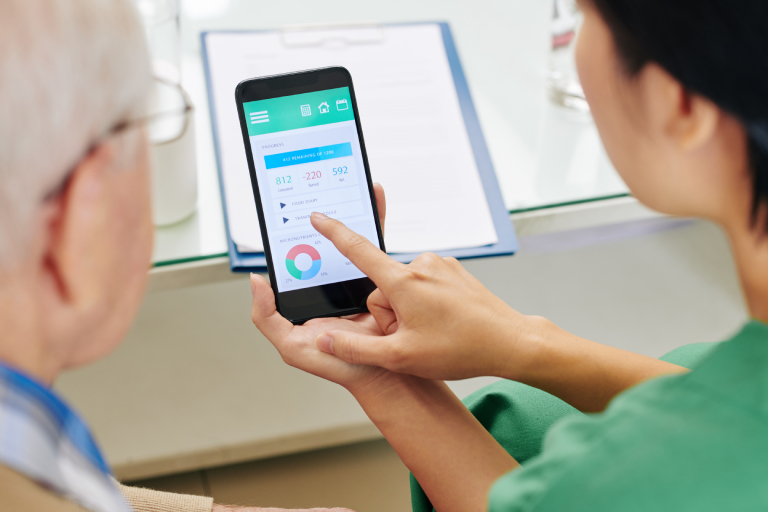
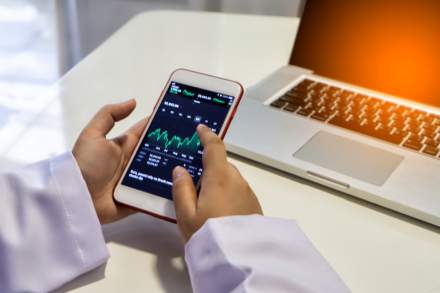
Patient engagement and education are integral to connected home healthcare. Many systems include interactive dashboards, mobile apps, and alerts that help patients understand their condition, track progress, and adhere to treatment plans. By empowering patients with actionable insights, connected systems encourage healthy behaviors, improve compliance, and promote independence—especially important for older adults managing chronic conditions.
Cost-effectiveness and scalability are additional benefits. Connected monitoring reduces unnecessary hospital visits, prevents readmissions, and enables efficient resource allocation. Clinicians can manage multiple patients simultaneously, focusing in-person attention on those who need it most. For healthcare systems, this improves efficiency while maintaining quality care for larger populations.
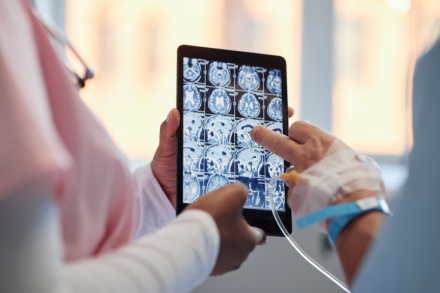
Specialized home monitoring applications are expanding across multiple medical fields, including cardiology, diabetes management, post-operative care, and remote rehabilitation. These tools provide condition-specific tracking, alerts, and guidance, ensuring that patients receive personalized and proactive care tailored to their needs.



Leave a Comment