

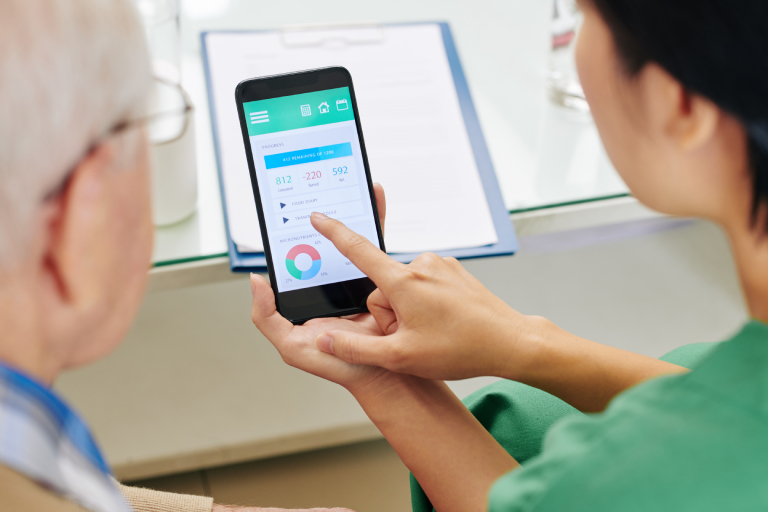

Patient engagement is critical for improving outcomes, managing chronic diseases, and promoting healthy lifestyles. In the digital era, health apps are emerging as powerful tools that transform how patients interact with their health, offering personalized insights, education, and real-time tracking.
Mobile apps for chronic disease management have become essential for patients with diabetes, hypertension, and cardiovascular diseases. Apps like MySugr, Omada Health, and Heartify allow patients to log blood sugar, blood pressure, and heart rate, track medications, and receive alerts when metrics are outside safe ranges. These apps empower patients to take control of their health, reduce complications, and improve adherence to treatment plans.
Wellness and lifestyle apps are reshaping preventive care. Apps like Headspace, Calm, Fitbit, and Apple Health track activity, sleep, nutrition, and mental health, providing personalized recommendations. By encouraging healthy behaviors, setting goals, and monitoring progress, these apps foster long-term lifestyle changes that reduce the risk of chronic diseases and improve overall wellbeing.
Telehealth-integrated apps bridge the gap between patients and providers. Platforms like Teladoc, Amwell, and Babylon allow patients to schedule consultations, share vital signs, and communicate directly with clinicians. These apps enhance accessibility, reduce wait times, and ensure continuous care, particularly for patients in remote areas or those with mobility limitations.
AI-powered health apps are transforming engagement by providing intelligent insights. AI algorithms analyze user data to detect patterns, predict health risks, and offer personalized advice. For instance, AI can suggest activity adjustments for a sedentary patient, flag potential heart irregularities, or provide dietary recommendations based on glucose trends. These insights make care more proactive and tailored to individual needs.
Patient education and empowerment are central to modern health apps. Many apps offer interactive tutorials, videos, and reminders that help users understand their conditions and treatments. By providing accessible, bite-sized information, apps encourage patients to stay informed, follow medical advice, and actively participate in their care.
Gamification and social features increase engagement further. Apps that incorporate challenges, rewards, or social interaction motivate patients to maintain healthy habits and achieve goals. This approach is especially effective for lifestyle changes, weight management, or rehabilitation programs, as it keeps patients motivated and accountable.
Data security and compliance are essential. Top health apps use encryption, secure cloud storage, and HIPAA-compliant workflows to protect patient data. Trust in digital platforms encourages more patients to use apps consistently, which is crucial for long-term engagement.










Leave a Comment