



Maintaining a healthy lifestyle is a cornerstone of preventive healthcare, and mobile health solutions are making it easier than ever for individuals to track, improve, and sustain their wellness routines. From diet and exercise tracking to sleep monitoring and mental health support, these apps and platforms provide personalized tools that empower users to take control of their health.
Fitness and activity tracking apps are at the forefront of lifestyle management. Platforms like Fitbit, Strava, and Google Fit allow users to monitor daily steps, workouts, heart rate, and calories burned. They provide insights into performance trends, encourage consistent activity, and help users set and achieve fitness goals. Integration with wearable devices ensures seamless tracking and real-time feedback, making exercise routines smarter and more effective.
Nutrition and diet apps play a vital role in managing health. Apps such as MyFitnessPal, Noom, and Yazio enable users to log meals, monitor macronutrients, and receive personalized dietary guidance. Some platforms even incorporate AI to suggest meal plans based on dietary preferences, fitness goals, and health conditions. This data-driven approach helps prevent obesity, supports weight management, and reduces the risk of lifestyle-related diseases like diabetes and hypertension.
Sleep tracking solutions are increasingly recognized for their impact on overall health. Apps like Sleep Cycle and Calm monitor sleep duration, quality, and patterns, providing actionable recommendations to improve rest. Good sleep hygiene supports mental clarity, hormonal balance, and cardiovascular health, making these tools crucial for holistic lifestyle management.
Mental health and mindfulness apps are another integral part of lifestyle management. Platforms like Headspace, Calm, and Insight Timer provide guided meditation, stress reduction exercises, and mood tracking. By incorporating mental wellbeing into daily routines, these apps help prevent burnout, reduce anxiety, and promote emotional resilience, which are essential for long-term health.
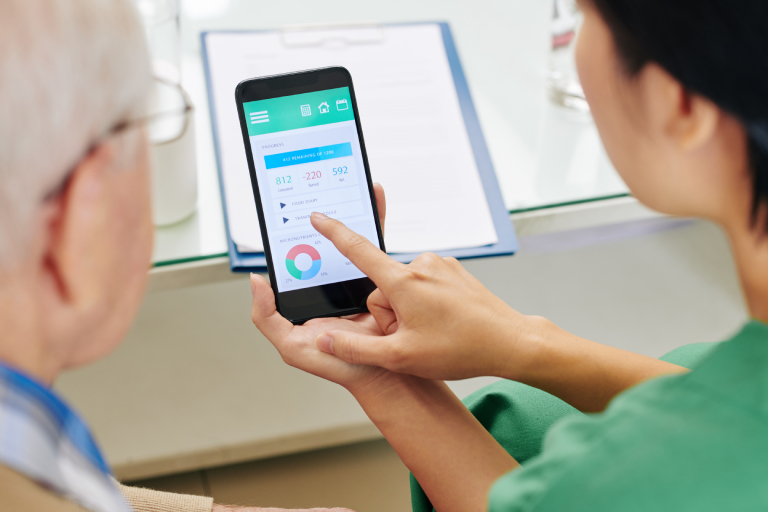
Integration with wearable devices and sensors amplifies the effectiveness of mobile health solutions. Real-time data from smartwatches, heart monitors, and connected scales can feed directly into apps, offering a comprehensive view of physical and mental health. This integration allows users to track trends over time, identify risk factors, and adjust habits proactively.
Personalized insights and goal setting are key features of modern mobile health solutions. AI-driven analytics can recommend adjustments in activity, nutrition, and sleep based on user behavior, ensuring that each individual receives tailored guidance. Gamification elements like badges, challenges, and progress tracking further motivate users to stick to their health goals.
Accessibility and convenience make mobile solutions highly effective. Users can access guidance anytime, anywhere, creating a consistent, ongoing connection to their wellness journey. Notifications, reminders, and educational content reinforce healthy habits and help users stay accountable to their goals.








Leave a Comment