

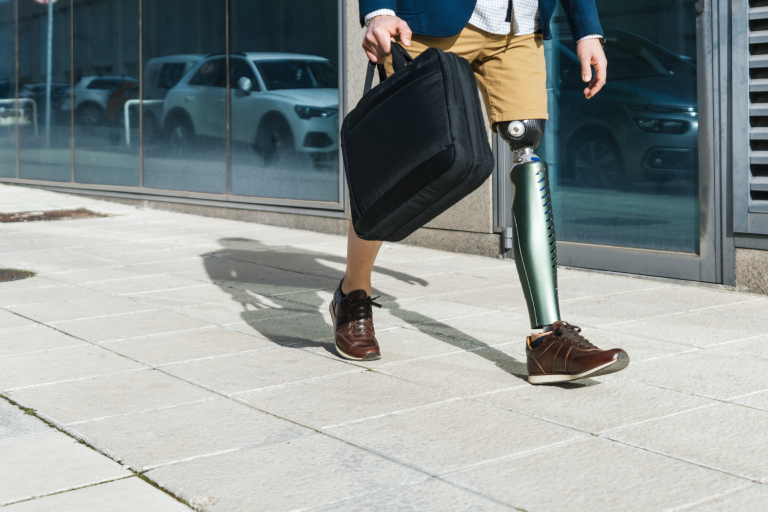

Exoskeletons are emerging as a revolutionary solution for mobility assistance, combining robotics, sensors, and AI to support individuals with limited movement, rehabilitation needs, or physical labor demands. These wearable devices enhance strength, stability, and endurance, transforming rehabilitation, workplace safety, and daily living for millions of users.
Restoring mobility for patients is one of the most impactful applications. Exoskeletons help individuals with spinal cord injuries, stroke, or muscular disorders regain the ability to stand, walk, and perform basic movements. By providing mechanical support and guided motion, they accelerate rehabilitation, improve balance, and reduce the risk of secondary injuries caused by immobility.
Enhanced rehabilitation outcomes are achieved through adaptive assistance. Modern exoskeletons use sensors and AI to detect user intent, adjusting movement patterns in real time. This allows patients to gradually regain strength and coordination while providing consistent, repeatable exercises that optimize therapy outcomes.
Industrial and occupational applications are expanding rapidly. Workers in manufacturing, logistics, and construction can use exoskeletons to reduce strain, prevent musculoskeletal injuries, and increase efficiency. By distributing weight and supporting posture, these devices allow users to lift heavy objects safely and perform repetitive tasks with less fatigue.
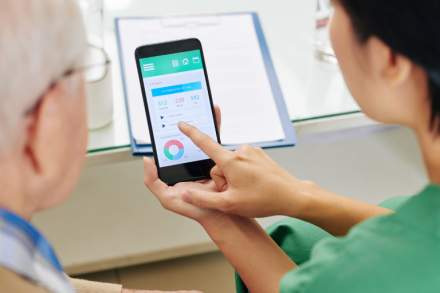
Integration with data and AI enhances functionality. Many exoskeletons collect biomechanical and movement data, allowing therapists and clinicians to monitor progress, adjust assistance levels, and personalize rehabilitation plans. AI-driven analytics ensure that each user receives the optimal support for their specific condition or work requirement.
Accessibility and comfort are improving. Advances in lightweight materials, ergonomic design, and battery technology make exoskeletons more wearable and practical for extended use. Users can move more naturally, reducing discomfort and encouraging consistent use in both clinical and real-world settings.
Psychological benefits are significant. Regaining the ability to move independently restores confidence, motivation, and social engagement. Patients experience a renewed sense of autonomy, which contributes to faster rehabilitation and overall well-being.
Future trends point toward even more intelligent and versatile exoskeletons. Neural interfaces, haptic feedback, and AI-powered predictive assistance will enable devices to respond seamlessly to user intent, terrain changes, and varying load requirements. Exoskeletons may eventually become an extension of the human body, offering near-natural mobility and performance augmentation.




Leave a Comment