

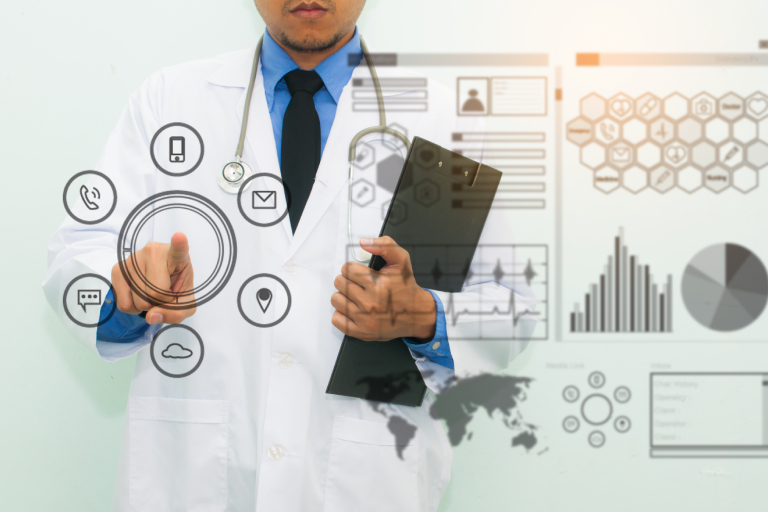

Predictive analytics is rapidly transforming healthcare by enabling providers to anticipate health risks before they escalate into serious medical crises. By analyzing historical and real-time data, predictive models help clinicians identify patterns, assess risk, and intervene early—shifting healthcare from reactive treatment to proactive prevention.
At its core, predictive analytics uses data from multiple sources, including electronic health records (EHRs), lab results, medical imaging, wearable devices, and patient history. Advanced algorithms analyze this data to detect early warning signs that may not be obvious through traditional clinical evaluation. This allows healthcare teams to act before conditions worsen, improving outcomes and reducing emergency interventions.
Chronic disease management is one of the most impactful applications. Predictive models can identify patients at high risk of complications from conditions such as diabetes, heart disease, or COPD. Subtle changes in vital signs, medication adherence, or activity levels can trigger alerts, prompting timely interventions. Early action helps prevent hospitalizations and improves long-term disease control.
Hospital operations and acute care also benefit significantly from predictive analytics. AI-powered systems can forecast patient deterioration, sepsis risk, or readmission likelihood. By identifying high-risk patients early, care teams can prioritize monitoring, allocate resources efficiently, and reduce adverse events. This not only improves patient safety but also lowers healthcare costs associated with preventable emergencies.
Population health management relies heavily on predictive insights. By analyzing trends across patient populations, healthcare organizations can identify vulnerable groups and design targeted preventive programs. Predictive analytics supports vaccination planning, screening initiatives, and public health interventions, enabling healthcare systems to address risks at a community level rather than on a case-by-case basis.
Integration with real-time monitoring technologies further strengthens predictive capabilities. Wearable devices and remote patient monitoring systems continuously feed data into predictive models. This allows healthcare providers to track patient health outside clinical settings and respond quickly when risk thresholds are crossed. Continuous monitoring is particularly valuable for elderly patients and those with complex medical needs.
Challenges and responsible use remain important considerations. Predictive models must be accurate, transparent, and free from bias to ensure equitable care. Data quality, clinician trust, and patient privacy are critical factors in successful implementation. Ongoing model validation and ethical oversight are essential to maintain confidence in predictive systems.





Leave a Comment