


Adaptive devices are reshaping rehabilitation and assistive technology, providing enhanced mobility, independence, and quality of life for individuals with physical disabilities or impairments. Recent innovations combine robotics, sensors, AI, and smart materials to create devices that are more intuitive, efficient, and personalized than ever before.
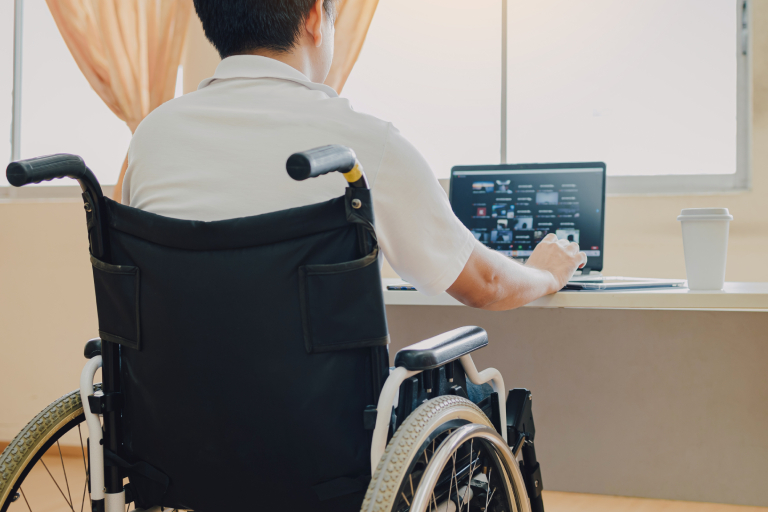
Smart wheelchairs are at the forefront of adaptive mobility. Modern models use AI and sensor technology to navigate complex environments, avoid obstacles, and adapt to terrain changes. Some are equipped with voice or gesture controls, enabling users with limited hand mobility to operate them independently, enhancing autonomy and safety.
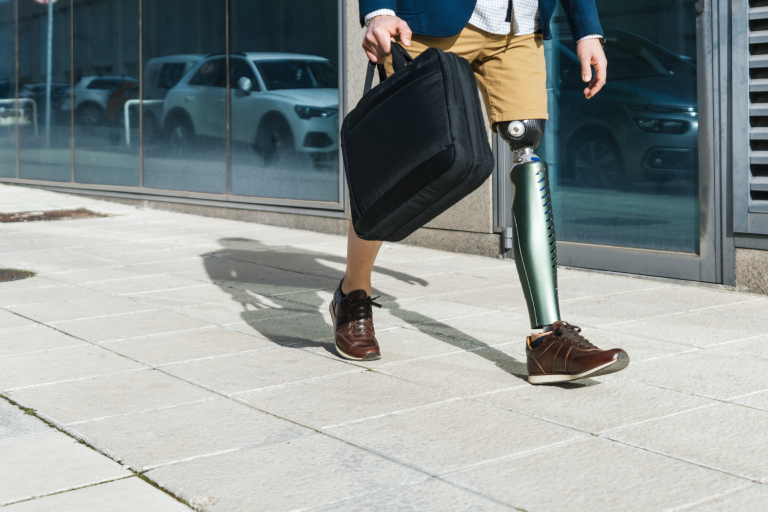
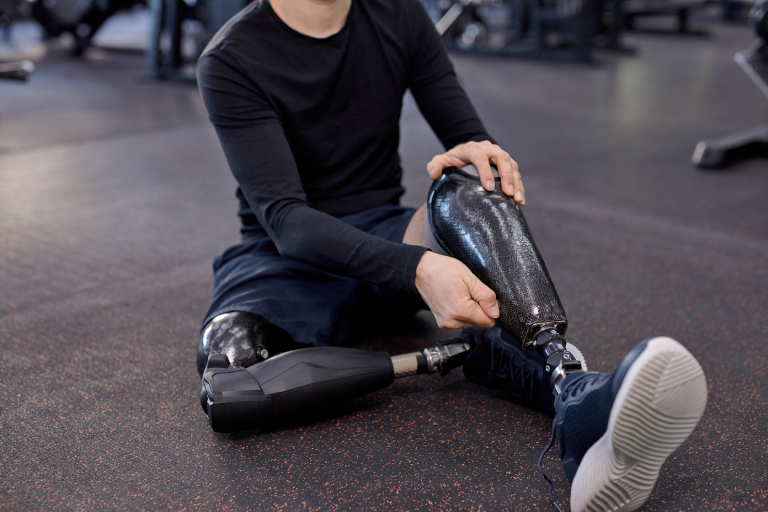
Advanced prosthetics continue to evolve. Powered by AI and myoelectric sensors, these prosthetics respond to muscle signals, providing precise and natural movement. Innovations in lightweight materials and modular design allow for improved comfort and customization, giving users the ability to perform everyday tasks with greater ease and efficiency.
Exoskeletons and wearable robotics are transforming rehabilitation. These devices support patients recovering from stroke, spinal cord injuries, or muscular disorders by assisting with walking, standing, and controlled movement. Adaptive exoskeletons use real-time feedback and AI algorithms to adjust support levels based on the user’s strength, balance, and progress, enabling more effective therapy and faster recovery.
Environmental control and smart home integration are enhancing daily independence. Adaptive devices now connect with smart home systems, allowing users to control lighting, temperature, doors, and appliances via tablets, smartphones, or voice commands. This integration reduces reliance on caregivers and empowers individuals to manage their environment more efficiently.
Assistive communication devices are becoming more sophisticated. Eye-tracking technology, AI-driven predictive text, and speech-generating devices allow individuals with speech or motor impairments to communicate effectively. These innovations improve social interaction, education, and professional participation, enhancing overall quality of life.
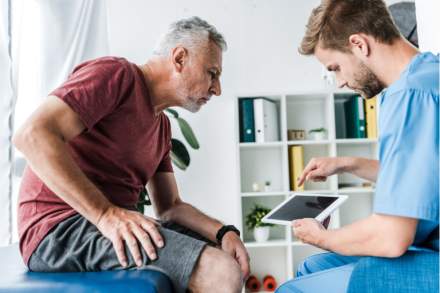
Wearable health monitors and sensors provide continuous feedback on posture, movement, heart rate, and other vital signs. These devices help clinicians track rehabilitation progress, detect complications early, and adjust therapy plans in real time. Integration with mobile apps and cloud platforms ensures that data is accessible and actionable for both patients and care teams.
Emerging materials and soft robotics are also advancing adaptive devices. Flexible, lightweight, and durable materials allow for more comfortable and natural movement in prosthetics, exoskeletons, and orthotic devices. Soft robotics can assist with fine motor skills, grasping, and mobility without causing strain or discomfort.





Leave a Comment