

Drug delivery is evolving rapidly, driven by innovations that aim to make therapies more effective, targeted, and patient-friendly. Traditional drug administration methods—such as oral tablets or injections—often face challenges like poor absorption, side effects, or limited targeting. Innovative drug delivery systems are changing this landscape, offering faster, safer, and more precise solutions.
Nanotechnology-based delivery systems are leading the revolution. Nanoparticles, liposomes, and polymeric carriers can encapsulate drugs, protecting them from degradation and enabling controlled release. This ensures that medications reach the intended site in the body at the right concentration, improving efficacy and reducing side effects. For example, lipid nanoparticles have played a pivotal role in delivering mRNA vaccines efficiently, highlighting the potential of nanoscale carriers in modern therapeutics.
Targeted drug delivery is another breakthrough. By designing systems that recognize specific receptors, tissues, or cells, drugs can act precisely where needed. This approach is particularly valuable in oncology, where chemotherapy can attack tumors while sparing healthy cells, minimizing toxicity and improving patient outcomes. Antibody-drug conjugates and ligand-targeted nanoparticles exemplify how targeted delivery is transforming cancer therapy.
Controlled-release systems are reshaping treatment schedules. Implantable pumps, biodegradable polymers, and smart hydrogels allow for sustained or timed drug release, reducing dosing frequency and improving patient compliance. Chronic conditions like diabetes, cardiovascular disease, or pain management benefit from these systems, as patients experience consistent therapeutic effects without the burden of multiple daily doses.
Microneedle patches and oral thin films are emerging as patient-friendly alternatives to traditional injections. Microneedle patches deliver vaccines and biologics painlessly through the skin, improving accessibility and adherence. Oral thin films dissolve quickly in the mouth, offering rapid drug absorption and convenience, especially for patients with difficulty swallowing pills. These innovations combine efficacy with enhanced patient experience.
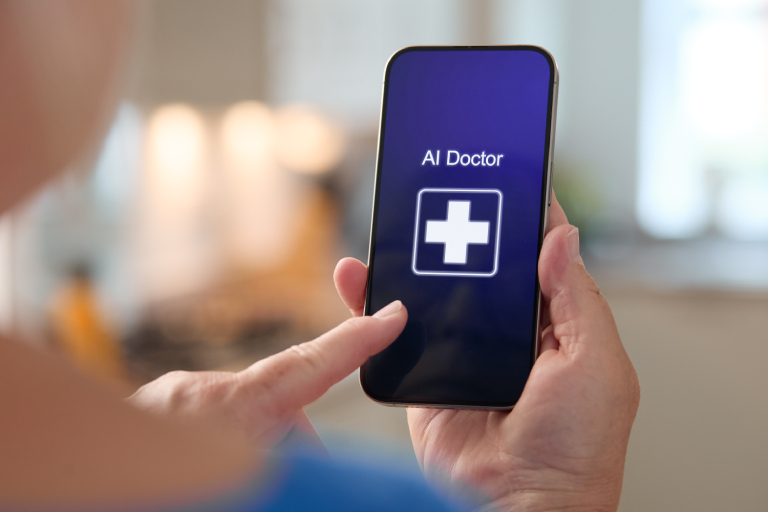
Integration with AI and predictive modeling is accelerating the development of next-generation drug delivery systems. AI can simulate drug release kinetics, predict interactions, and optimize carrier design, reducing trial-and-error experimentation. This speeds up development timelines, lowers costs, and increases the likelihood of clinical success. Pharmaceutical companies are leveraging AI to identify optimal formulations and delivery routes faster than ever before.
Personalized medicine is also driving innovation. Advanced drug delivery platforms can be customized to a patient’s genetic profile, disease stage, or metabolism, ensuring optimal therapeutic outcomes. By tailoring dosage, release rate, and targeting mechanisms, personalized drug delivery maximizes efficacy and minimizes adverse effects, making therapies more precise and patient-centered.








Leave a Comment