

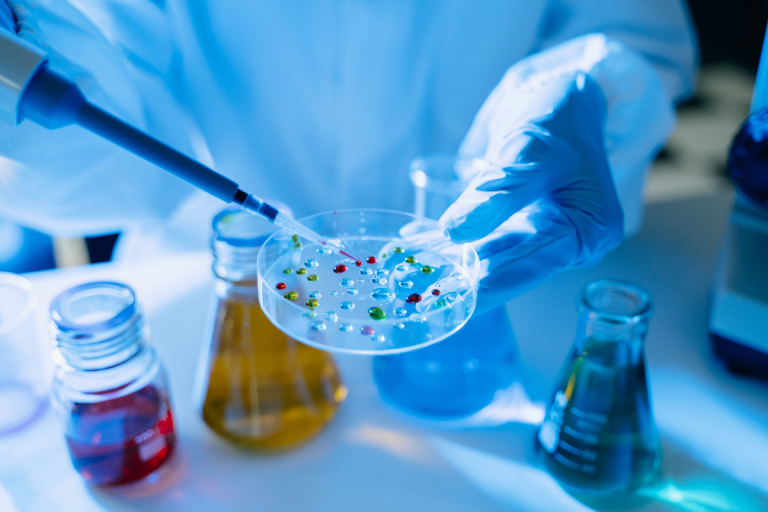

Targeted therapies are transforming modern medicine, offering precision treatment that attacks disease while sparing healthy tissue. Biotechnology innovations are at the heart of these breakthroughs, enabling highly specific drugs and delivery systems that improve outcomes for patients with cancer, autoimmune disorders, and rare diseases.
Monoclonal antibodies (mAbs) have become a cornerstone of targeted therapy. These lab-engineered proteins are designed to bind to specific antigens on diseased cells, marking them for destruction or blocking harmful pathways. In oncology, monoclonal antibodies can precisely target tumor cells, reducing damage to surrounding healthy tissue and minimizing side effects compared to traditional chemotherapy. Examples include trastuzumab for HER2-positive breast cancer and rituximab for certain lymphomas.
Antibody-drug conjugates (ADCs) are another biotech advancement that combines targeted antibodies with potent cytotoxic drugs. The antibody guides the drug directly to cancer cells, releasing the payload only where it is needed. This precision not only improves therapeutic efficacy but also reduces systemic toxicity, offering hope for patients who previously had limited treatment options.
Gene and cell therapies are revolutionizing targeted interventions. By editing or modifying specific genes, these therapies address the root cause of disease rather than just managing symptoms. CRISPR-based therapies, CAR-T cell treatments, and RNA interference (RNAi) therapies are enabling personalized, targeted approaches for conditions ranging from rare genetic disorders to aggressive cancers. Biotechnology advancements in delivery vectors, such as viral carriers and lipid nanoparticles, are critical for ensuring these therapies reach their intended targets safely.
Small-molecule inhibitors have also evolved with precision in mind. These drugs selectively block enzymes or signaling pathways that drive disease progression. Targeted kinase inhibitors, for example, have significantly improved outcomes in chronic myeloid leukemia and other malignancies by interfering with specific molecular pathways involved in tumor growth.
Biotech-driven diagnostics enhance the effectiveness of targeted therapies. Companion diagnostics identify patients most likely to benefit from a specific therapy by analyzing biomarkers, genetic mutations, or protein expression. This ensures treatments are personalized, reducing trial-and-error approaches and optimizing therapeutic success. Patients receive therapies tailored to their unique molecular profile, increasing efficacy while minimizing side effects.
AI and computational biology are accelerating breakthroughs in targeted therapies. AI algorithms can predict how drugs interact with molecular targets, identify novel biomarkers, and optimize therapy design. This accelerates research timelines, reduces costs, and increases the likelihood of successful outcomes in clinical trials.










Leave a Comment