

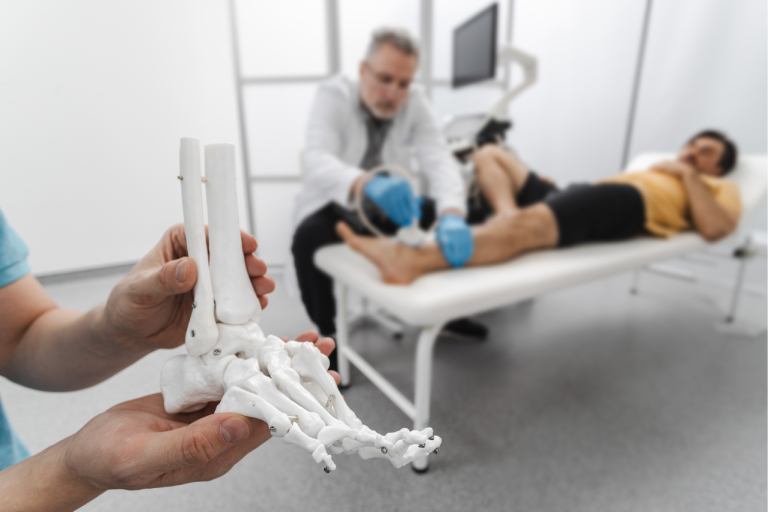

Robotics is ushering in a new era of physical therapy, transforming rehabilitation by providing precise, consistent, and adaptive support for patients recovering from injury, surgery, or neurological conditions. These robotic devices complement traditional therapy, enhancing recovery speed, accuracy, and patient engagement.
Consistency and precision in therapy are key advantages. Robotic devices can guide limbs through controlled movements repeatedly, ensuring exercises are performed correctly every time. This consistency reduces human error, minimizes the risk of reinjury, and allows patients to focus on rebuilding strength, flexibility, and coordination.
Adaptive assistance and AI integration enhance outcomes. Modern robotic systems use sensors and artificial intelligence to monitor patient performance in real time. The device adjusts resistance, range of motion, and support levels based on the user’s capabilities and progress, creating a personalized rehabilitation experience that maximizes recovery efficiency.
Applications in neurological rehabilitation are particularly impactful. Patients recovering from strokes, spinal cord injuries, or traumatic brain injuries benefit from robotic exoskeletons, arm trainers, and gait systems. These devices help retrain motor pathways, improve coordination, and restore functional movement, which is essential for regaining independence.
Enhanced motivation and engagement make robotics a powerful therapy tool. Many devices include interactive displays, gamified exercises, and progress tracking. Patients receive immediate feedback and visual progress updates, which increase adherence, encourage consistent effort, and make rehabilitation more enjoyable.
Data collection and analytics support clinical decision-making. Robotic therapy devices record detailed metrics such as range of motion, strength, repetition counts, and movement quality. Therapists can analyze this data to adjust treatment plans, monitor recovery trends, and provide objective feedback to patients. This level of insight is difficult to achieve through traditional manual therapy alone.
Applications in orthopedic and post-surgical rehabilitation are expanding. Robotic-assisted devices help patients regain mobility and strength after joint replacement, ligament repair, or fracture recovery. By guiding controlled exercises, these devices reduce recovery time, improve functional outcomes, and support safer, more effective rehabilitation.
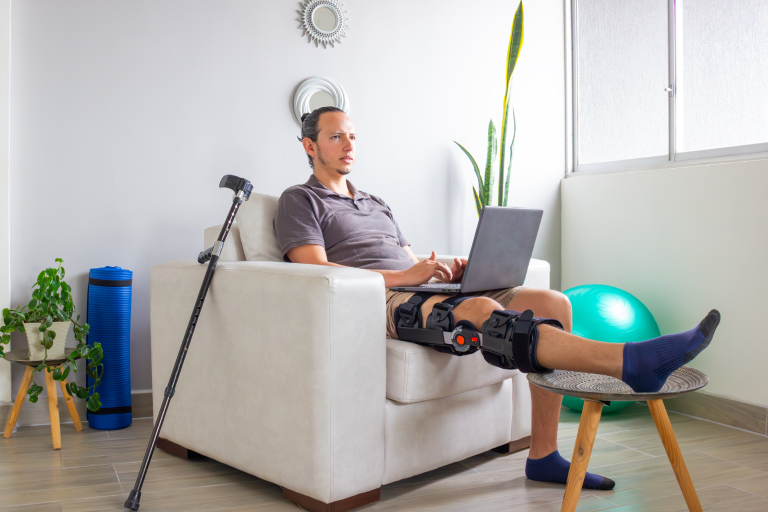
Accessibility and home use are becoming increasingly viable. Compact, user-friendly robotic devices enable patients to continue therapy at home under remote supervision. Integration with tele-rehabilitation platforms allows clinicians to monitor progress, provide guidance, and adjust therapy plans without requiring frequent in-person visits.








Leave a Comment