

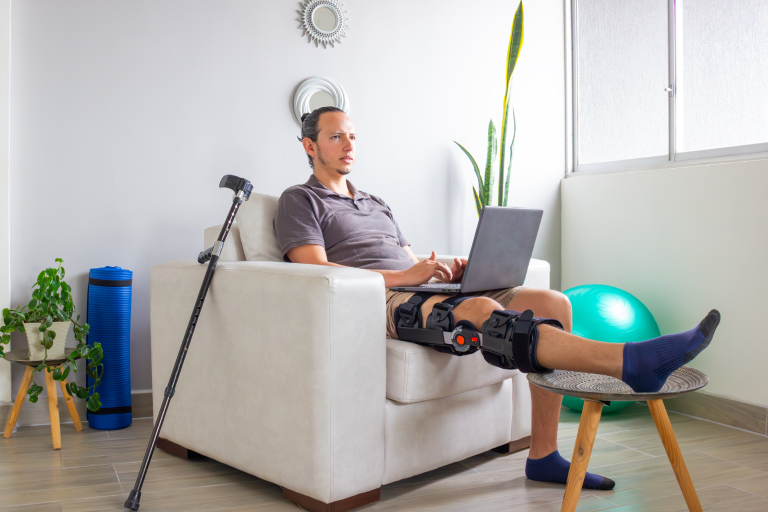

Wearable rehabilitation devices are revolutionizing home-based therapy, enabling patients to continue recovery outside of clinical settings while maintaining accurate monitoring and guidance. These devices combine sensors, AI, and connectivity to provide real-time feedback, track progress, and support personalized therapy plans.
Real-time monitoring and feedback are key advantages. Wearables can track joint angles, muscle activity, steps, balance, and posture. Patients receive immediate feedback through smartphone apps or device interfaces, ensuring exercises are performed correctly and reducing the risk of injury. Therapists can monitor adherence and adjust routines remotely, keeping recovery on track.
Enhanced convenience and accessibility make home rehabilitation more practical. Patients no longer need to visit clinics multiple times a week for routine exercises. Wearable devices allow therapy to continue on a flexible schedule, empowering users to engage in consistent, high-frequency training—an important factor for faster recovery.
Integration with mobile apps and cloud platforms ensures seamless communication with healthcare providers. Data collected by wearables can be shared with therapists and physicians, allowing them to evaluate progress, detect potential issues, and adjust therapy plans in real time. This remote monitoring supports effective, patient-centered care even from a distance.
Motivation through gamification and progress tracking is another benefit. Many wearable rehab devices provide visual dashboards, goal-setting, and performance feedback. Patients can track milestones, see improvements over time, and receive encouragement, increasing engagement and adherence to therapy.
Adaptive resistance and AI-driven personalization enhance outcomes. Some devices adjust resistance, support levels, or exercise intensity based on patient performance, fatigue, or pain levels. AI algorithms analyze patterns in movement and recovery to recommend tailored exercises, ensuring therapy is challenging yet safe.
Applications for various conditions make wearables versatile. From post-stroke rehabilitation and orthopedic recovery to chronic pain management and mobility improvement, wearable devices support a wide range of patients. Devices include smart knee braces, exoskeleton gloves, ankle-foot orthoses, and full-body motion trackers.
Cost-effectiveness and scalability are transforming access to care. By reducing clinic visits, wearable devices lower travel costs and healthcare resource usage. They enable more patients to participate in rehabilitation programs, particularly in rural or underserved areas, without sacrificing quality or oversight.






Leave a Comment