

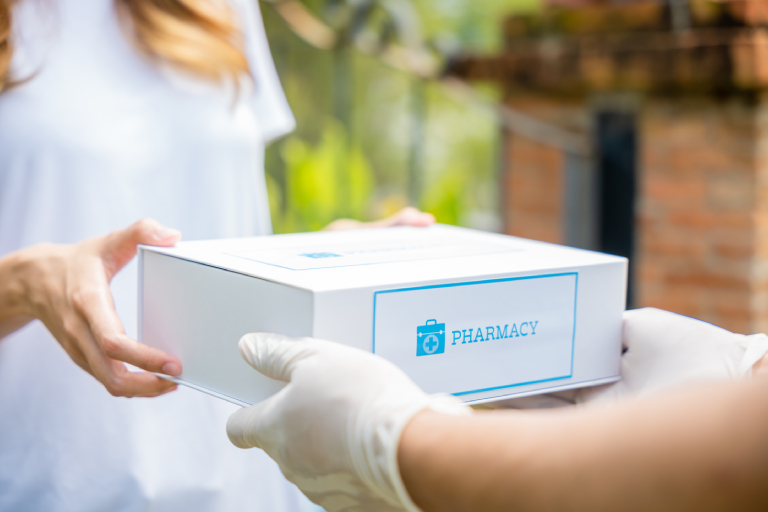

The pharmaceutical industry is witnessing a surge of innovative drug delivery systems that promise more effective, targeted, and patient-friendly therapies. As 2026 approaches, several breakthroughs are reshaping how medications are administered, improving efficacy, reducing side effects, and enhancing patient adherence.
1. Nanoparticle-Based Delivery Systems
Nanotechnology continues to revolutionize drug delivery. Nanoparticles and liposomes can carry drugs directly to targeted cells, improving absorption and minimizing systemic side effects. This is particularly impactful for oncology, where chemotherapeutic agents can now selectively attack tumors while sparing healthy tissue. Advances in biodegradable and programmable nanoparticles are making these systems even more precise, controlled, and adaptable to different disease types.
2. mRNA and Nucleic Acid Delivery Platforms
Following the success of mRNA vaccines, nucleic acid therapies are expanding rapidly. Innovative lipid nanoparticles and viral vectors now enable the delivery of mRNA, siRNA, and gene-editing constructs to specific tissues. These platforms promise breakthroughs not only in infectious diseases but also in cancer therapy and rare genetic disorders, marking a new era of personalized and targeted medicine.
3. Smart and Controlled-Release Systems
Smart drug delivery technologies, including implantable pumps, hydrogels, and biodegradable polymers, allow controlled or timed release of medication. This reduces dosing frequency, enhances patient compliance, and ensures steady therapeutic levels. Chronic conditions like diabetes, cardiovascular disease, and pain management benefit from these systems, which provide sustained efficacy without frequent interventions.
4. Microneedle Patches and Needle-Free Delivery
Microneedle technology is becoming mainstream, offering pain-free, self-administered drug and vaccine delivery. These patches deliver medications directly through the skin, improving absorption and patient comfort. Needle-free injectors and dissolvable oral thin films are also gaining traction, providing fast, convenient, and minimally invasive alternatives to traditional injections and pills.
5. AI-Optimized Formulations and Delivery
Artificial intelligence is accelerating innovation by designing optimized drug formulations and delivery methods. Machine learning models predict drug behavior, release kinetics, and interactions with biological targets, reducing the need for trial-and-error experimentation. AI-driven design enables faster development of highly effective and safe delivery systems tailored to individual patient needs.
6. Targeted Biologics and Antibody-Drug Conjugates (ADCs)
Targeted biologics, including ADCs, combine precision targeting with potent therapeutic agents. Innovations in linker chemistry and payload design are making ADCs safer and more effective, particularly in oncology. These therapies deliver drugs directly to diseased cells, minimizing off-target effects and improving clinical outcomes.
7. Wearable and Connected Delivery Devices
Connected devices, such as smart insulin pumps and wearable drug dispensers, integrate with mobile health apps to provide real-time monitoring, adherence tracking, and automated dosing adjustments. These systems empower patients to manage complex treatments at home while giving clinicians actionable data to optimize therapy.
In conclusion, 2026 is poised to be a landmark year for drug delivery innovation. From nanoparticle systems and mRNA platforms to microneedle patches, smart implants, AI-driven formulations, and connected devices, these technologies are making therapies more precise, effective, and patient-centric. As pharmaceutical research and technology converge, the future of medicine promises faster, safer, and more personalized treatment options than ever before.









Leave a Comment