



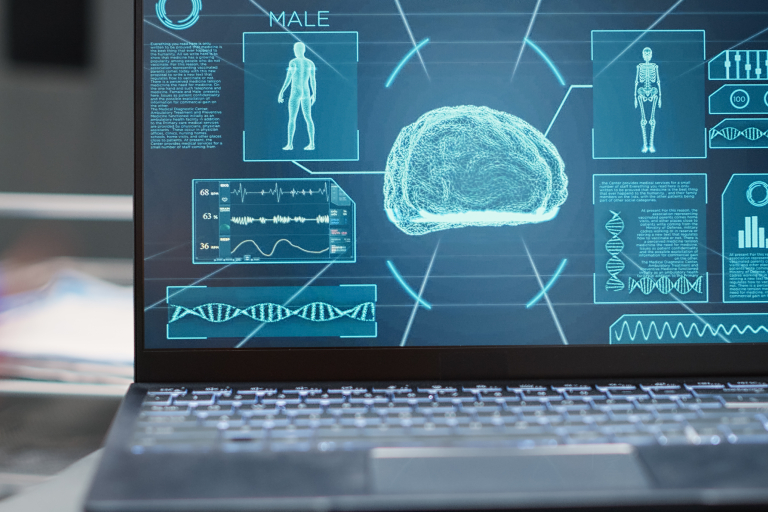
Diagnostic errors remain a significant challenge in healthcare, contributing to delayed treatment, increased costs, and avoidable patient harm. Hospitals are increasingly turning to artificial intelligence (AI) to reduce these errors, improve clinical accuracy, and enhance patient outcomes. By leveraging vast amounts of medical data, AI provides insights and decision support that complement clinician expertise.
AI-powered imaging analysis is one of the most effective tools for reducing errors. Radiology departments, for example, use AI algorithms to examine X-rays, CT scans, and MRIs for subtle anomalies. These systems can highlight potential tumors, fractures, or lesions that may be overlooked in busy clinical environments. By acting as a “second set of eyes,” AI improves detection rates and ensures critical cases are prioritized for immediate review.
Predictive analytics and pattern recognition help identify high-risk patients early. Hospitals use AI to analyze electronic health records (EHRs), lab results, and vital signs to detect patterns indicative of sepsis, heart failure, or other emergent conditions. Alerts generated by AI systems allow clinicians to intervene before the patient’s condition deteriorates, reducing the likelihood of misdiagnosis or delayed treatment.
Clinical decision support (CDS) tools integrated into hospital workflows also play a crucial role. AI-powered CDS can provide real-time guidance on diagnostic protocols, flag potential drug interactions, and suggest additional tests based on patient-specific data. These systems standardize care practices, reduce human error, and ensure clinicians are informed with the most relevant, evidence-based information.
Workflow optimization reduces cognitive overload for hospital staff. Clinicians often juggle multiple complex cases simultaneously, increasing the risk of errors. AI can automate routine data analysis, triage cases, and organize patient information efficiently, freeing clinicians to focus on interpretation and patient care. This not only enhances accuracy but also reduces clinician burnout—a common contributor to diagnostic mistakes.
Integration with remote monitoring and wearables enhances hospital diagnostic capabilities. AI algorithms analyze real-time data from patients’ wearable devices, continuous monitors, and bedside sensors. Abnormal readings or subtle trends trigger early alerts, enabling hospital teams to respond before minor issues escalate into serious complications.
Challenges and ethical considerations remain. AI systems must be transparent, explainable, and validated for diverse patient populations to avoid introducing bias. Hospitals also need robust cybersecurity measures to protect sensitive patient data while using AI tools effectively. Ongoing training and clinician engagement are essential for successful adoption and trust in AI recommendations.







Leave a Comment