

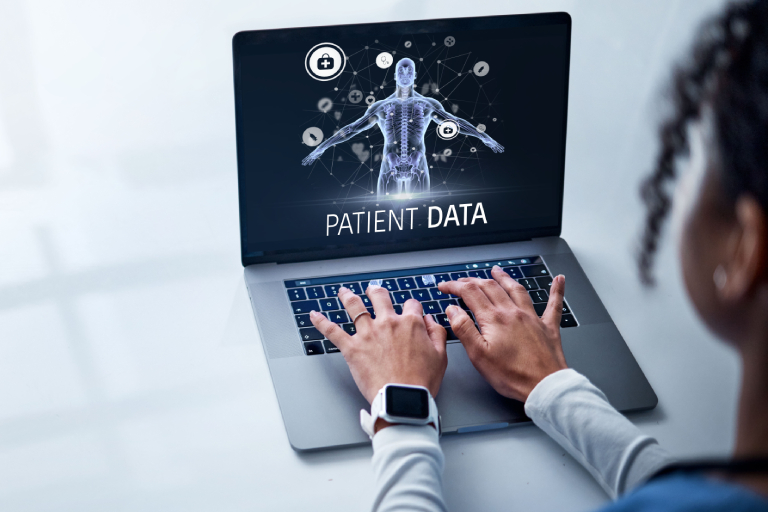

In today’s digital healthcare landscape, securing patient data is a top priority. With the rise of electronic health records (EHRs), telehealth, wearable devices, and cloud storage, healthcare organizations face increasing threats from cyberattacks, human error, and system vulnerabilities. Implementing effective data security strategies is essential to protect sensitive health information and maintain patient trust.
1. Access Controls and Authentication
Limiting access to sensitive data is the first line of defense. Role-based access ensures that only authorized personnel can view or modify patient information. Multi-factor authentication (MFA) adds an extra layer of security, making it harder for unauthorized users to breach accounts. Regularly reviewing and updating access permissions helps prevent insider threats.
2. Data Encryption
Encryption is critical both for stored data and data in transit. Encrypting electronic health records, emails, and communications ensures that even if data is intercepted, it remains unreadable. Using strong encryption standards such as AES-256 and secure transmission protocols like SSL/TLS is essential for protecting patient information.
3. Secure Cloud and Network Architecture
Healthcare organizations increasingly rely on cloud-based platforms for storage and processing. Choosing reputable cloud providers with strong security certifications (such as HIPAA or ISO 27001) ensures compliance and reliability. Firewalls, intrusion detection systems, and secure VPNs help protect internal networks from external attacks.
4. Employee Training and Awareness
Human error remains one of the leading causes of data breaches. Comprehensive training programs educate staff about phishing, password hygiene, and proper data handling procedures. Regular drills, updates, and awareness campaigns reinforce best practices and help prevent accidental breaches.
5. Regular Monitoring and Auditing
Continuous monitoring of systems, access logs, and unusual activity allows organizations to detect threats early. Automated alerts can notify security teams of suspicious activity, while regular audits help ensure compliance with HIPAA and other regulations. Proactive monitoring reduces response time and mitigates potential damage.
6. Backup and Disaster Recovery Plans
Maintaining regular backups of patient data and having a robust disaster recovery plan ensures that critical information is not lost during cyberattacks, hardware failures, or natural disasters. Offsite and encrypted backups enhance resilience and allow rapid recovery without compromising security.
7. Secure Telehealth and Mobile Platforms
As remote care grows, protecting patient data across mobile apps and telehealth platforms is essential. Secure video conferencing, end-to-end encryption, and HIPAA-compliant applications prevent unauthorized access while maintaining quality care.
8. Vendor and Third-Party Management
Third-party partners handling patient data, such as cloud providers or analytics platforms, must comply with the same security standards as healthcare organizations. Business Associate Agreements (BAAs) define responsibilities and ensure that vendors maintain proper safeguards.








Leave a Comment