

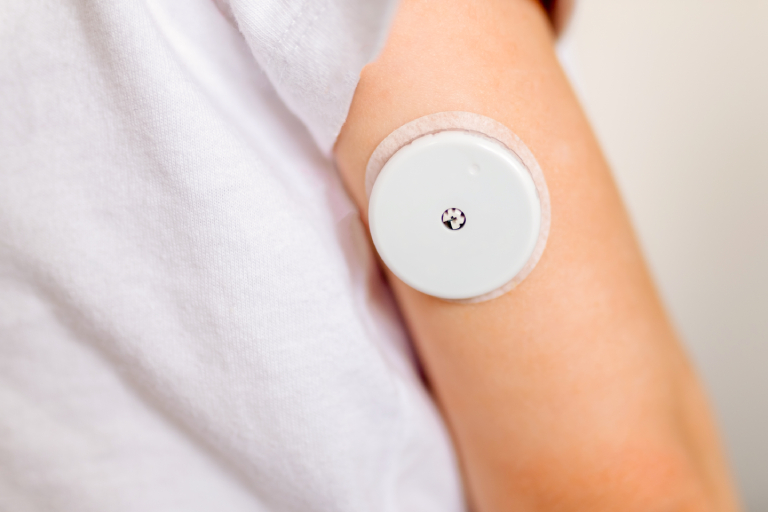

The healthcare landscape is shifting from reactive treatment to proactive, continuous monitoring, and smart patches and wearable devices are at the forefront of this transformation. These tools allow healthcare providers and patients to track vital signs, activity levels, and even early warning signs of disease around the clock, enabling faster interventions and more personalized care.
Smart patches are small, flexible devices that adhere to the skin and continuously measure physiological parameters such as heart rate, temperature, oxygen saturation, and glucose levels. Unlike traditional monitoring, which often requires hospital visits or bulky equipment, these patches provide real-time data without disrupting daily life. They can detect anomalies immediately, allowing clinicians to respond before minor issues escalate into serious complications.
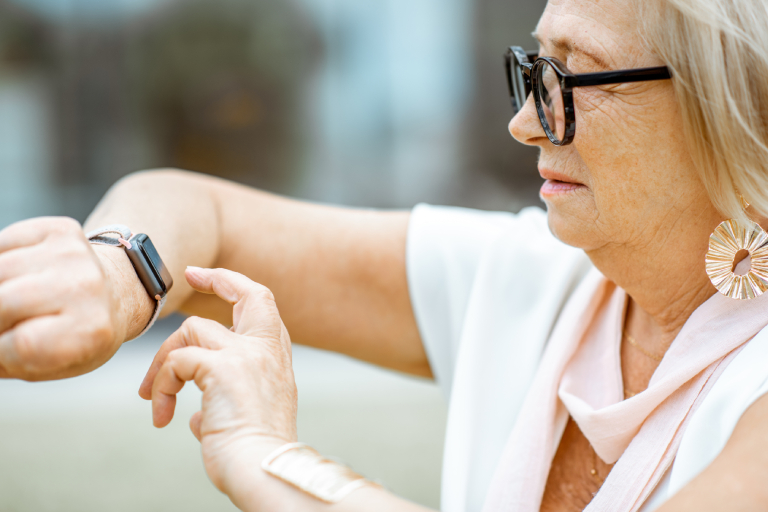
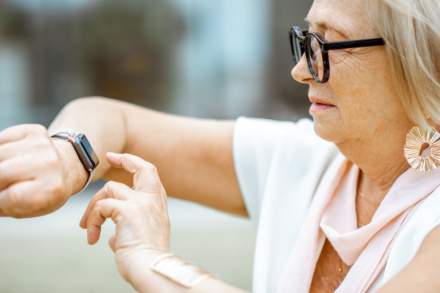
Wearable devices such as smartwatches, fitness trackers, and bio-sensing wristbands complement smart patches by monitoring metrics like sleep patterns, blood pressure, respiratory rate, and physical activity. Advanced sensors combined with cloud connectivity ensure that data is transmitted securely to healthcare providers, supporting remote patient management. Patients managing chronic conditions, such as diabetes or cardiovascular disease, can now stay connected with their care teams in real time, improving adherence to treatment and reducing hospitalizations.
The rise of AI integration in wearable technology further amplifies its impact. Machine learning algorithms analyze continuous streams of data to detect trends, predict health events, and provide actionable insights. For instance, an AI-enabled smartwatch can alert a patient and their physician to irregular heart rhythms before symptoms become severe. By combining continuous monitoring with intelligent analytics, these devices move healthcare from reactive to preventive care.
Remote patient monitoring also benefits from wearables and smart patches. Hospitals and clinics can monitor multiple patients simultaneously, even from miles away, ensuring timely intervention when needed. Telemedicine platforms integrated with wearable data allow healthcare professionals to provide personalized advice, adjust medication doses, and track recovery progress without requiring in-person visits. This reduces strain on healthcare systems and improves access to care, particularly in rural or underserved areas.
Beyond clinical benefits, patient engagement and empowerment are significant advantages of wearable devices. Continuous monitoring encourages individuals to take an active role in managing their health. Real-time feedback on physical activity, sleep, and vital signs promotes lifestyle changes and adherence to medical guidance. The combination of real-time monitoring and AI-driven insights helps patients understand the consequences of their habits and empowers them to make informed decisions.





Leave a Comment