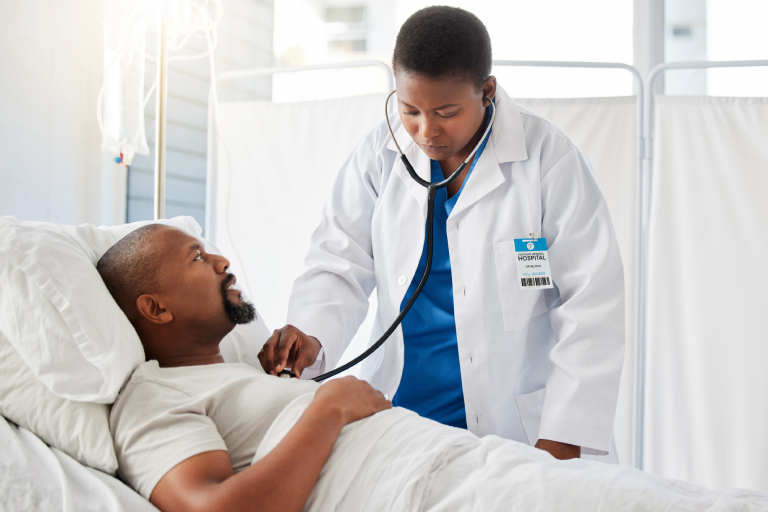

Chronic diseases like diabetes, heart failure, and COPD require continuous monitoring and timely interventions to prevent complications. Remote Patient Monitoring (RPM) is transforming the way these conditions are managed by enabling continuous tracking, early detection, and proactive care, all while keeping patients connected to their healthcare providers.
Continuous monitoring is key. RPM devices, such as wearable sensors, smart patches, and home-based monitors, track vital signs like blood pressure, heart rate, oxygen levels, and glucose. This constant data flow allows clinicians to detect abnormalities early, adjust treatment plans, and intervene before minor issues become emergencies. For instance, a diabetic patient’s rising glucose trends can trigger an early alert, helping avoid dangerous hyperglycemic events and hospital admissions.
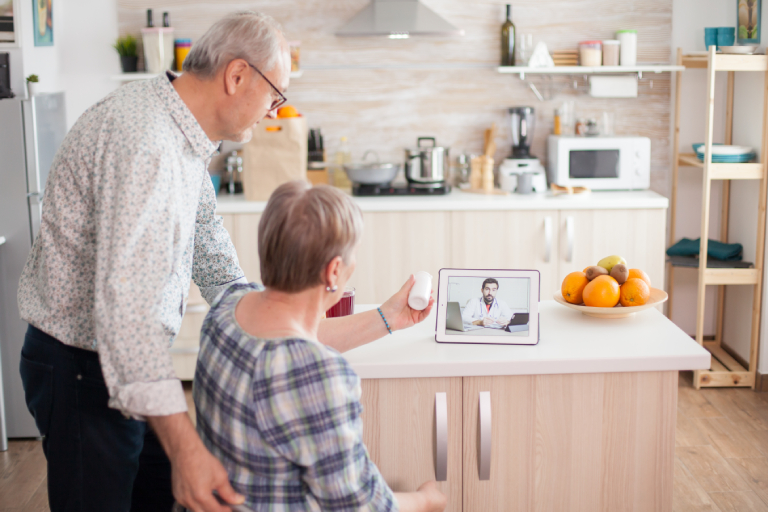
Integration with telehealth platforms makes RPM even more powerful. Patients can share data in real time during virtual consultations, allowing clinicians to make informed decisions without requiring in-person visits. This is particularly valuable for patients with mobility challenges, rural residents, or those managing multiple chronic conditions. Telehealth combined with RPM ensures that patients remain under continuous supervision, improving both convenience and quality of care.
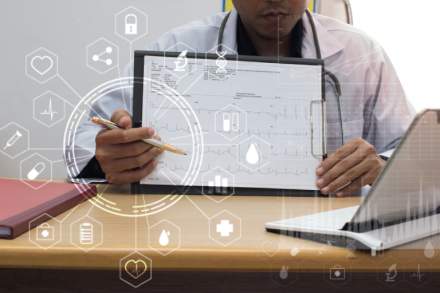
Predictive analytics and AI are revolutionizing chronic disease management. Advanced algorithms can analyze trends over time, predict potential complications, and provide actionable insights. For example, AI can anticipate heart failure exacerbations based on weight fluctuations, heart rate variability, and blood pressure readings. Early warnings enable clinicians to adjust medications, recommend lifestyle changes, or schedule interventions, preventing costly hospitalizations and improving long-term outcomes.
Patient engagement and empowerment are another critical aspect. RPM platforms often include interactive dashboards, alerts, and educational resources that encourage patients to take an active role in their health. Patients can track their own metrics, receive reminders for medication adherence, and monitor lifestyle changes. Increased engagement leads to better compliance, healthier behaviors, and ultimately better disease management.
Reducing hospital readmissions is a major benefit of RPM. Chronic disease patients are particularly prone to complications that require hospitalization. Continuous monitoring ensures that problems are caught early, reducing emergency visits and readmissions. Hospitals benefit from lower costs, improved efficiency, and higher patient satisfaction, while patients enjoy safer, more proactive care.
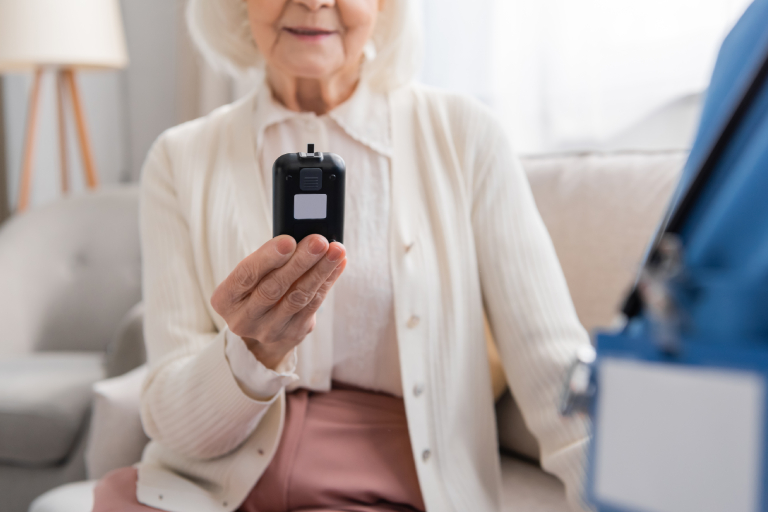
Specialized RPM devices target condition-specific needs. Smart glucose monitors, connected blood pressure cuffs, cardiac monitors, and pulse oximeters allow for disease-specific tracking and more precise interventions. These devices are integrated into care plans, creating a comprehensive ecosystem where clinicians have full visibility into the patient’s condition in real time.




Leave a Comment