

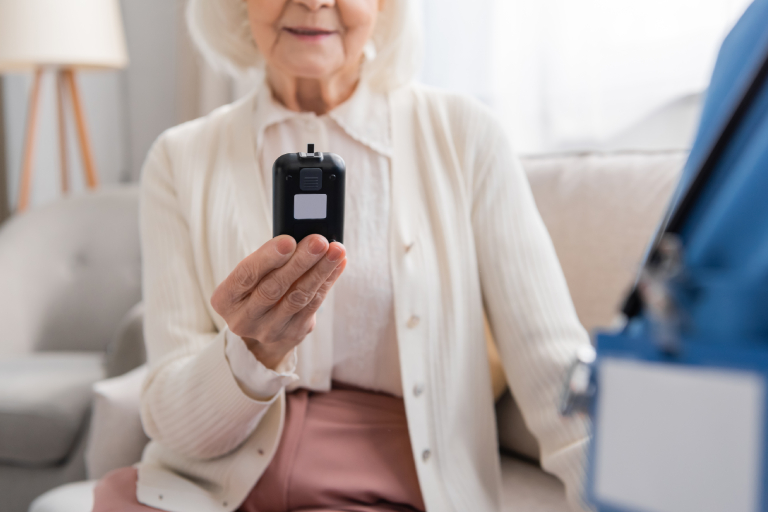

Real-time patient tracking is revolutionizing healthcare delivery, and smart devices are at the center of this transformation. From wearable sensors to connected medical equipment, these devices provide continuous monitoring of vital signs, activity levels, and other key health metrics, giving clinicians actionable insights and enabling faster, more precise care.
Wearable health devices are the backbone of real-time tracking. Smartwatches, smart patches, and biosensors can monitor heart rate, blood pressure, oxygen saturation, glucose levels, and even sleep quality. Data is continuously collected and transmitted to healthcare providers through secure platforms, allowing for early detection of anomalies and immediate interventions. For instance, if a patient’s oxygen levels drop unexpectedly, alerts can notify both the patient and the medical team, preventing potential emergencies.
Integration with telehealth platforms amplifies the impact of these devices. Real-time tracking data can be seamlessly shared with clinicians during virtual consultations, ensuring that decisions are informed by accurate, up-to-date information. Physicians can remotely adjust medications, recommend lifestyle changes, or schedule urgent interventions based on live data, eliminating delays caused by periodic in-person checkups.
AI and predictive analytics are becoming essential components of real-time tracking. Advanced algorithms can analyze trends across multiple data points to identify early warning signs, predict health risks, and recommend personalized interventions. For example, AI can detect subtle irregularities in heart rhythm that may indicate arrhythmias or flag glucose patterns in diabetic patients that suggest a potential hypo- or hyperglycemic episode. By predicting complications before they occur, healthcare providers can take proactive measures that improve outcomes and reduce hospitalizations.
Patient engagement and empowerment are also key benefits of real-time tracking. Devices provide continuous feedback, reminders, and insights that encourage patients to take an active role in managing their health. From tracking steps and sleep patterns to monitoring medication adherence, patients become more aware of their behaviors and their impact on overall health. Increased engagement improves treatment adherence and fosters healthier lifestyles, which is particularly important for managing chronic conditions.
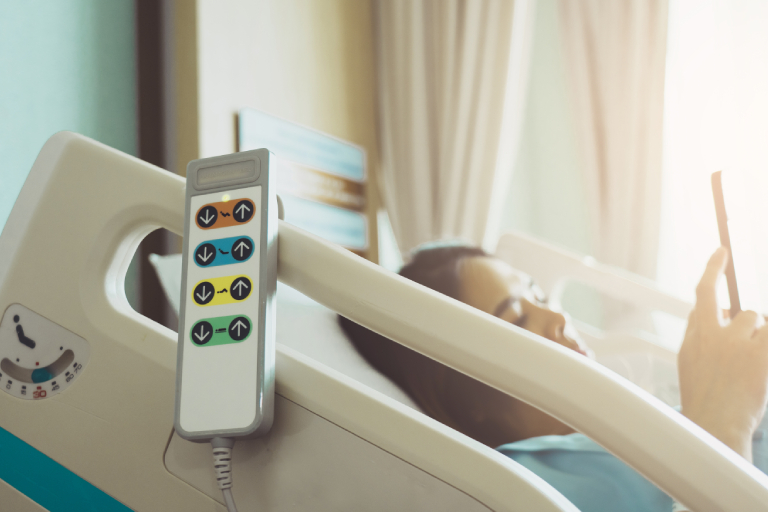
Specialized smart devices extend tracking capabilities to specific medical needs. For example, smart inhalers monitor medication usage for respiratory patients, connected ECG monitors provide continuous heart monitoring, and smart beds track movement and vitals for post-surgical patients. These devices allow healthcare teams to manage patients remotely with high precision, ensuring timely care while reducing strain on hospital resources.
Cost-efficiency and scalability are additional advantages. Real-time tracking reduces unnecessary hospital visits, prevents complications, and streamlines care delivery, lowering overall healthcare costs. Hospitals can monitor multiple patients simultaneously, focusing in-person care on high-risk cases while maintaining oversight of stable patients remotely.





Leave a Comment