

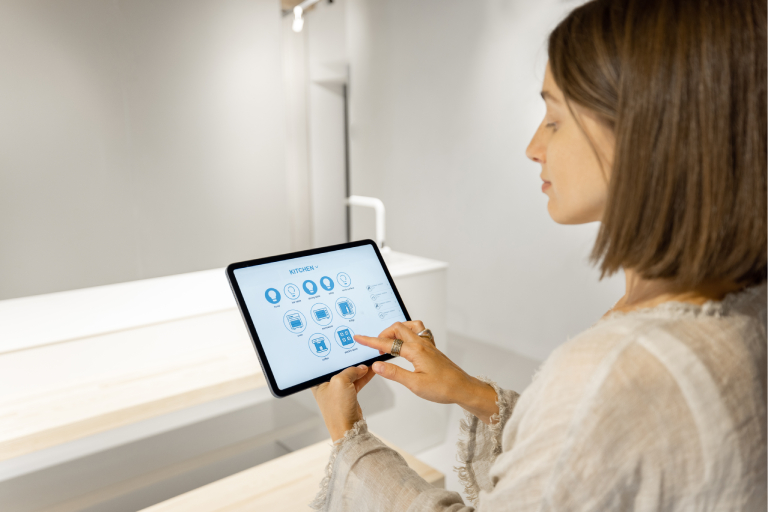

The future of healthcare is connected, intelligent, and data-driven, with hospitals and clinics leveraging advanced technologies to create integrated, patient-centered environments. Connected healthcare facilities combine IoT, AI, wearable devices, and digital health platforms to improve safety, efficiency, and outcomes while enabling smarter operations.
Integrated patient monitoring is a hallmark of connected facilities. Wearable sensors, smart beds, and bedside monitors collect real-time data on vitals, mobility, and activity. This information is automatically synced with hospital information systems (HIS), allowing clinicians to track patient status remotely, detect early warning signs, and provide timely interventions.
IoT-enabled infrastructure supports operational efficiency. Smart lighting, HVAC systems, energy management, and equipment tracking are connected to a central platform. Hospitals can monitor resource usage, automate routine adjustments, and reduce energy costs while ensuring a safe and comfortable environment for patients and staff.
AI and predictive analytics transform decision-making. Connected facilities use AI to analyze patient data, forecast bed occupancy, predict peak demand, and optimize staff allocation. Predictive insights help administrators allocate resources efficiently, prevent bottlenecks, and ensure that critical care is delivered without delays.
Telemedicine and virtual care integration enhance accessibility. Patients can consult specialists remotely, while their data flows seamlessly into the hospital’s systems. Connected facilities reduce in-person congestion, improve patient satisfaction, and maintain continuity of care even for those in rural or underserved areas.
Smart workflows and automation improve staff productivity. IoT devices and AI algorithms track inventory, equipment, and staff movement. Routine tasks, such as medication reminders, equipment maintenance alerts, and patient notifications, are automated, allowing staff to focus on clinical care rather than administrative duties.
Enhanced safety and infection control are built into connected facilities. Sensors monitor hand hygiene compliance, room occupancy, and equipment sterilization. Real-time alerts notify staff of potential risks, helping reduce hospital-acquired infections and maintain a safe environment for patients and healthcare workers.
Patient engagement and personalization are central to connected hospitals. Mobile apps, interactive kiosks, and patient portals provide real-time updates, care instructions, and personalized recommendations. Patients become active participants in their treatment, improving adherence, satisfaction, and overall outcomes.
Scalability and interoperability ensure connected facilities remain future-ready. Systems are designed to integrate with emerging technologies, such as AI-driven diagnostics, tele-rehabilitation, and advanced wearable devices. Hospitals can adopt new tools without disrupting operations, maintaining flexibility in a rapidly evolving healthcare landscape.









Leave a Comment