

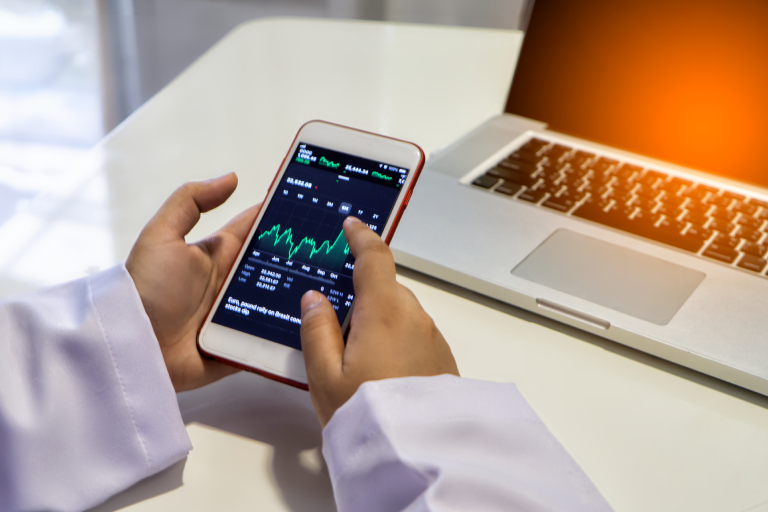

Healthcare is entering a new era where data-driven decisions are becoming essential for improving patient outcomes. Mobile health apps are at the forefront of this transformation, providing doctors with real-time, actionable data that enhances diagnosis, treatment planning, and ongoing patient management.
Real-time patient data collection is one of the primary ways apps support clinical decision-making. Wearables, smart patches, and health apps continuously track vital signs such as heart rate, blood pressure, oxygen saturation, glucose levels, and physical activity. This continuous stream of data gives doctors insights far beyond what periodic checkups can provide. For example, a cardiologist can monitor arrhythmias remotely and adjust treatment plans before a serious episode occurs.
Integration with electronic health records (EHRs) ensures that data collected via mobile apps is readily available alongside patients’ medical histories. This unified view allows doctors to identify trends, compare historical and current metrics, and make more accurate diagnoses. EHR-integrated apps also reduce manual data entry, saving time and minimizing errors.
AI and predictive analytics in apps further amplify their value. Algorithms can analyze large datasets to detect patterns, flag anomalies, and even predict potential health risks. For example, AI can forecast glucose spikes in diabetic patients, identify early signs of heart failure, or highlight worsening respiratory patterns in COPD patients. Doctors can then intervene proactively, improving outcomes and reducing complications.
Clinical decision support tools embedded in apps provide evidence-based recommendations tailored to each patient. These may include medication adjustments, lifestyle interventions, or alerts for urgent care. By combining real-time monitoring with predictive insights, doctors are empowered to make decisions that are both timely and precise, moving healthcare from reactive to proactive.
Remote monitoring and telehealth integration enhance efficiency and accessibility. Doctors can review app-collected data during virtual consultations, adjust care plans on the spot, and communicate instructions directly to patients. This approach ensures continuous oversight, especially for chronic disease management, post-surgical recovery, or high-risk patients who require ongoing monitoring.
Patient engagement and education through apps also support data-driven care. Patients who track symptoms, log medication adherence, and share lifestyle data provide doctors with a richer dataset for decision-making. Interactive dashboards, alerts, and reminders ensure patients follow treatment plans accurately, creating a feedback loop that enhances clinical outcomes.
Reducing errors and improving efficiency are additional benefits. With automated data collection and AI insights, doctors spend less time manually analyzing patient information and more time focusing on interventions that matter. This not only improves accuracy but also enables healthcare providers to manage more patients effectively.









Leave a Comment