

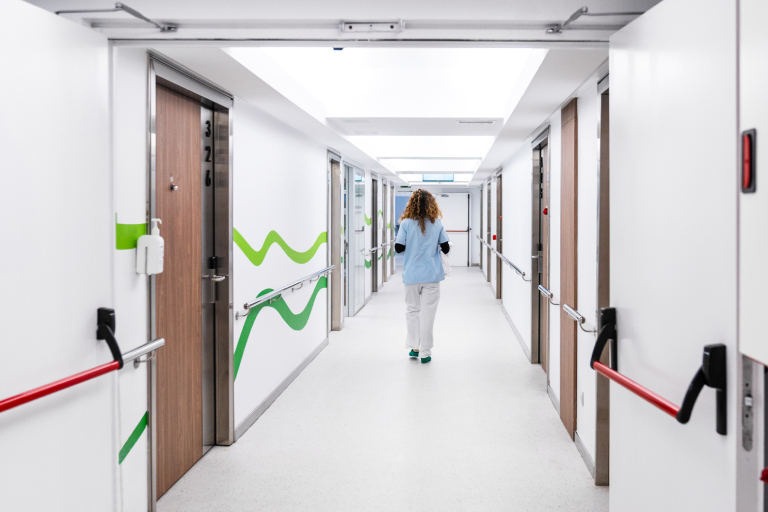

Modern hospitals are embracing energy-efficient and patient-centric facility designs, creating environments that support both sustainability and optimal care. By combining smart building technologies, environmental monitoring, and patient-focused layouts, healthcare facilities can reduce costs, improve comfort, and enhance overall outcomes.
Sustainable energy solutions are at the core of modern facility design. Hospitals are incorporating LED lighting, solar panels, energy-efficient HVAC systems, and automated climate control to reduce energy consumption. These measures lower operational costs while minimizing the facility’s environmental footprint, contributing to long-term sustainability.
Patient-centered layouts improve experience and efficiency. Designs that prioritize natural light, quiet zones, and accessible navigation reduce stress and support faster recovery. Strategic placement of nursing stations, diagnostic areas, and patient rooms ensures smoother workflows and shorter response times for staff.
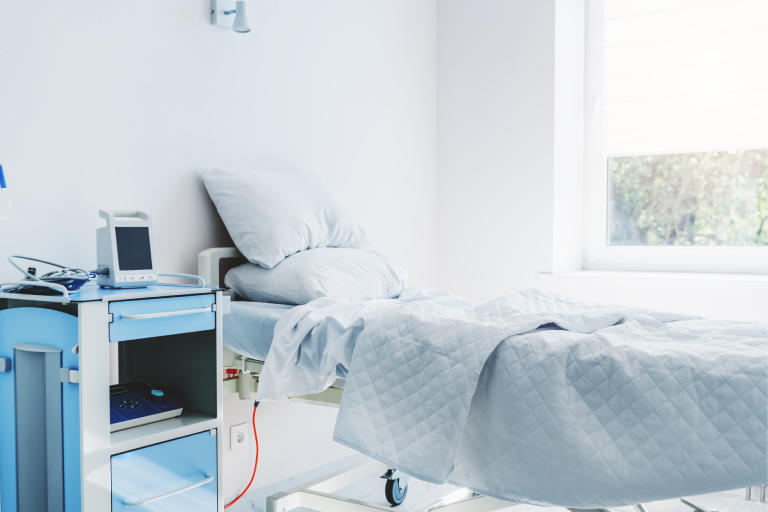
Smart environmental monitoring enhances both comfort and safety. Sensors track temperature, humidity, air quality, and noise levels throughout the facility. Adjustments can be automated or remotely managed, ensuring optimal conditions for patient recovery, staff productivity, and equipment performance.
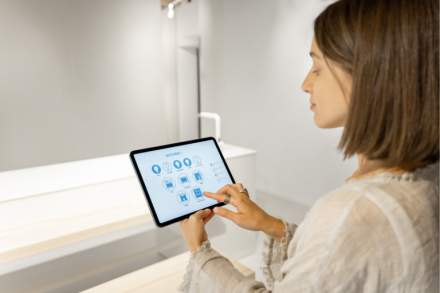
Integration of IoT and building management systems is transforming hospital operations. Connected systems manage lighting, climate, water usage, and medical equipment energy consumption in real time. Administrators gain actionable insights, allowing them to optimize resource use without compromising patient comfort.
Flexible and adaptive spaces support diverse healthcare needs. Modular designs allow rooms to be repurposed for different patient types, procedures, or emergencies. Combined with energy-efficient systems, flexible layouts ensure maximum utilization of space and resources while maintaining patient-centered care.
Noise reduction and acoustic management play a critical role in recovery. Patient rooms, corridors, and common areas are designed with sound-absorbing materials and thoughtful layouts to minimize disturbances. Quieter environments contribute to better rest, faster healing, and higher patient satisfaction.
Wayfinding and accessibility enhance patient experience. Clear signage, intuitive layouts, and digital navigation tools help patients and visitors move efficiently through the facility. Reducing confusion and stress improves overall satisfaction and supports staff efficiency.
Data-driven optimization ensures continuous improvement. Sensors and smart building analytics track energy usage, room occupancy, and environmental conditions. This data enables administrators to identify inefficiencies, implement corrective measures, and maintain a balance between energy savings and patient comfort.
Long-term benefits of energy-efficient, patient-centric design include reduced operating costs, improved environmental sustainability, higher patient satisfaction, and better staff productivity. Hospitals that invest in these strategies create safer, healthier, and more resilient facilities capable of meeting future healthcare demands.





Leave a Comment