

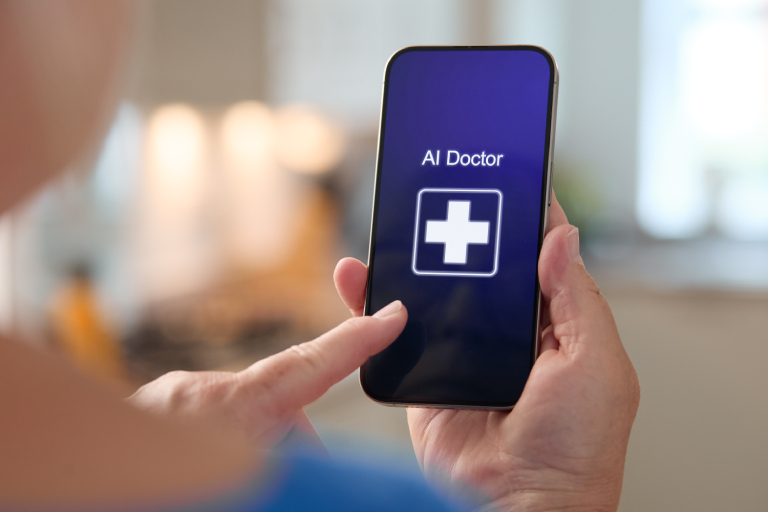

Artificial intelligence (AI) is transforming the healthcare landscape, and next-generation health apps are leveraging its power to provide smarter, more personalized, and proactive care. By combining AI with mobile technology, these apps are not only tracking health metrics but also analyzing data, predicting risks, and delivering actionable insights to both patients and clinicians.
Personalized health insights are one of the key benefits of AI-powered apps. Machine learning algorithms analyze user data—such as activity levels, heart rate, sleep patterns, and dietary habits—to generate recommendations tailored to each individual. For instance, AI can suggest modifications in exercise routines, flag potential nutritional deficiencies, or recommend stress-reduction strategies. This personalized approach ensures that health guidance is relevant, effective, and sustainable.
Predictive analytics is another transformative feature. AI can detect subtle patterns in data that may indicate early signs of chronic conditions, complications, or health risks. For example, AI algorithms can predict glucose spikes in diabetic patients, anticipate arrhythmias in cardiac patients, or identify early deterioration in respiratory function. By providing these predictive insights, health apps enable timely interventions, preventing emergencies and reducing hospitalizations.
Clinical decision support is enhanced through AI integration. Health apps can analyze patient data and cross-reference it with medical literature, guidelines, and historical trends to provide evidence-based recommendations. This empowers healthcare providers to make faster, more informed, and data-driven decisions. Telehealth consultations become more effective when clinicians can review AI-generated insights alongside real-time patient metrics.
Behavioral health and engagement benefit significantly from AI. Apps can monitor patterns in user behavior, detect deviations, and send tailored nudges or reminders to encourage adherence to medication, exercise, or wellness routines. Gamification and adaptive goal-setting powered by AI maintain motivation, helping users sustain healthy habits over time. This continuous engagement is particularly valuable for chronic disease management and preventive care.
Integration with wearables and IoT devices multiplies the effectiveness of AI-driven apps. Continuous streams of data from smartwatches, smart patches, and home monitoring devices feed into AI algorithms, enabling comprehensive health tracking and holistic insights. AI can correlate multiple data points, such as activity, heart rate, sleep, and glucose levels, to provide a more accurate picture of overall health and potential risks.
Scalability and accessibility are additional advantages. AI-powered health apps can provide personalized guidance to thousands of users simultaneously, making healthcare more efficient and accessible. Rural populations, elderly patients, or those with limited mobility benefit from AI-driven monitoring and recommendations without requiring frequent in-person visits.










Leave a Comment