

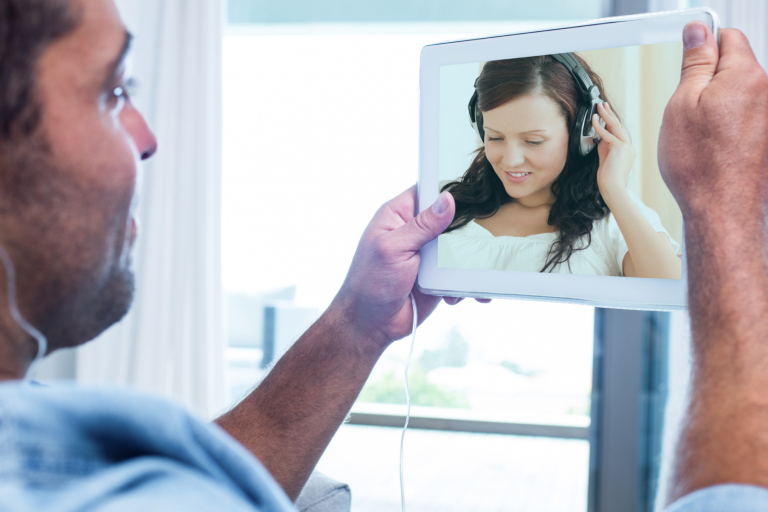

Telemedicine has rapidly evolved from a convenience to a critical component of modern healthcare. While many associate it primarily with video consultations, the latest trends are taking telemedicine far beyond simple virtual visits, offering a more comprehensive, data-driven, and patient-centered approach.
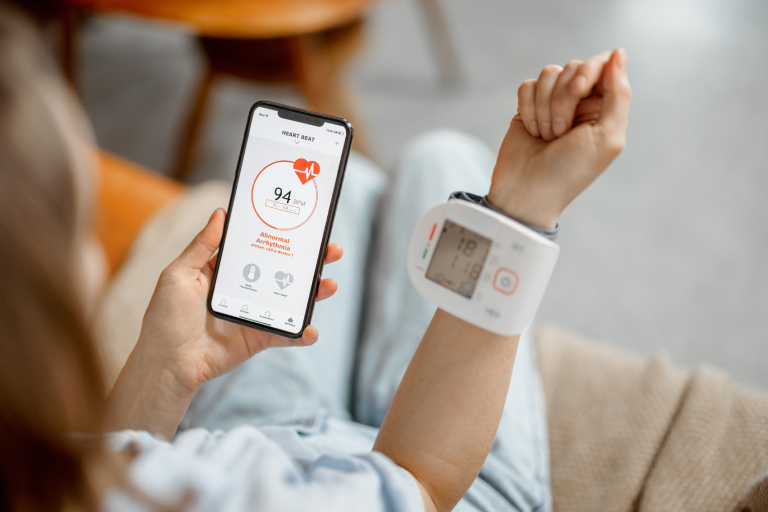
One of the most notable developments is integration with wearable devices and remote monitoring tools. Telemedicine platforms are increasingly connected to devices that track vital signs, glucose levels, oxygen saturation, and heart rhythms in real time. This allows clinicians to assess patients more accurately without requiring in-person visits, enhancing both preventive care and chronic disease management. The result is continuous monitoring, faster intervention, and reduced hospital readmissions.
AI-driven diagnostics and decision support are also reshaping telemedicine. Modern platforms use machine learning to analyze patient data, detect early warning signs, and provide evidence-based recommendations to healthcare providers. For instance, AI can flag abnormal ECG readings during a virtual cardiology check-up or suggest treatment adjustments based on trends in a diabetic patient’s glucose levels. This makes virtual care more precise, actionable, and effective.
Another key trend is multi-modal teleconsultation, which combines video, audio, chat, and asynchronous communication. Patients can send images of wounds, lab results, or medication logs, allowing physicians to review and respond at any time. This flexibility reduces the pressure on patients to schedule immediate appointments and enables clinicians to manage their workload more efficiently. Multi-modal communication also improves accessibility for patients with mobility challenges or those living in remote areas.
Specialized telemedicine platforms are emerging to address the unique needs of different medical fields. Telepsychiatry, telecardiology, and teledermatology platforms provide specialized tools, such as symptom tracking, behavioral monitoring, and imaging analysis, that enhance diagnosis and treatment in their respective areas. This specialization ensures virtual care meets the same quality standards as in-person care while expanding access to expertise that may not be locally available.
Patient engagement and education are central to the next generation of telemedicine. Platforms now include features such as interactive dashboards, medication reminders, AI-powered health tips, and follow-up tracking. These tools empower patients to take an active role in their care, reinforcing healthy behaviors and improving adherence to treatment plans. Higher engagement leads to better outcomes, particularly in managing chronic conditions.
Data security and compliance are also critical trends. Telemedicine platforms are increasingly implementing encrypted communication, secure cloud storage, and HIPAA-compliant workflows to ensure patient privacy. These safeguards build trust between patients and providers, which is essential for the widespread adoption of virtual healthcare.







Leave a Comment