

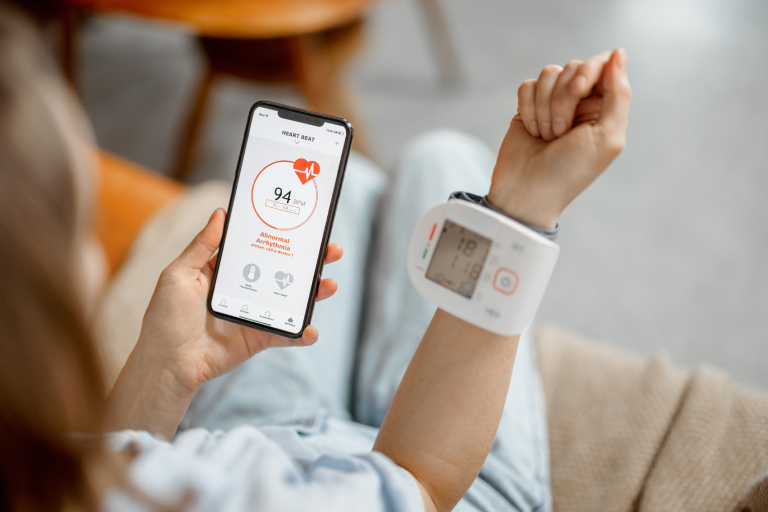

The healthcare industry is experiencing a technological revolution, and AI-driven health monitoring devices are at the forefront. These smart tools combine continuous monitoring, artificial intelligence, and real-time analytics to provide insights that were previously impossible, transforming patient care from reactive to proactive.
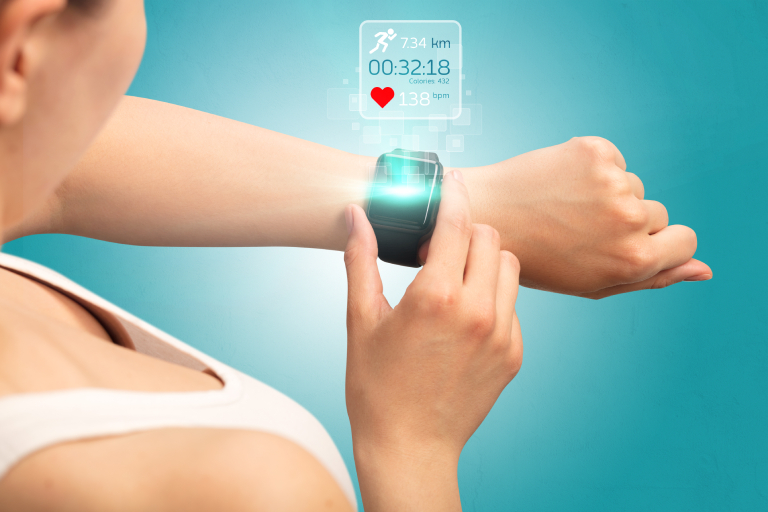
AI integration amplifies the power of wearable devices. Traditional wearables track metrics like heart rate, blood pressure, and activity levels. AI-driven devices, however, go a step further by analyzing this data, identifying patterns, and predicting potential health events. For instance, an AI-powered smartwatch can detect subtle irregularities in heart rhythm and alert both the user and healthcare providers before a serious event, such as atrial fibrillation, occurs.
Predictive analytics is one of the most significant advantages of AI in health monitoring. By evaluating historical and real-time data, AI algorithms can forecast complications and suggest preventive interventions. This is particularly valuable for patients with chronic conditions such as diabetes, hypertension, or COPD. Predictive insights help clinicians adjust treatment plans, recommend lifestyle changes, or intervene before minor issues escalate into emergencies.
Remote monitoring and telehealth integration further expand the capabilities of AI-driven devices. These devices can continuously transmit patient data to cloud platforms, allowing healthcare providers to monitor multiple patients in real time, regardless of location. Alerts for abnormal readings, such as a sudden spike in blood pressure or oxygen levels dropping, enable immediate intervention without requiring an in-person visit. This improves patient safety, reduces hospital readmissions, and eases the burden on healthcare systems.
Enhanced patient engagement is another key benefit. AI-driven devices provide actionable insights rather than just raw data. For example, a wearable might recommend adjustments in activity, nutrition, or sleep patterns based on the user’s physiological trends. This personalized guidance encourages patients to take an active role in managing their health, improving adherence to treatment plans and promoting healthier lifestyles.
Integration with other medical technologies magnifies the impact of AI-driven monitoring. Devices can work alongside electronic health records (EHRs), smart home health systems, and telemedicine platforms to provide a holistic view of a patient’s health. Clinicians can correlate real-time wearable data with lab results, imaging studies, and medical history, enabling more precise diagnoses and tailored interventions.
Continuous innovation is driving the rise of AI-driven devices. Advances in sensor technology, machine learning models, and miniaturization have made these devices more accurate, affordable, and accessible. From AI-powered patches to smart rings and wearable ECG monitors, the options for monitoring health in real time are expanding rapidly, making proactive care more achievable for a broader population.




Leave a Comment