

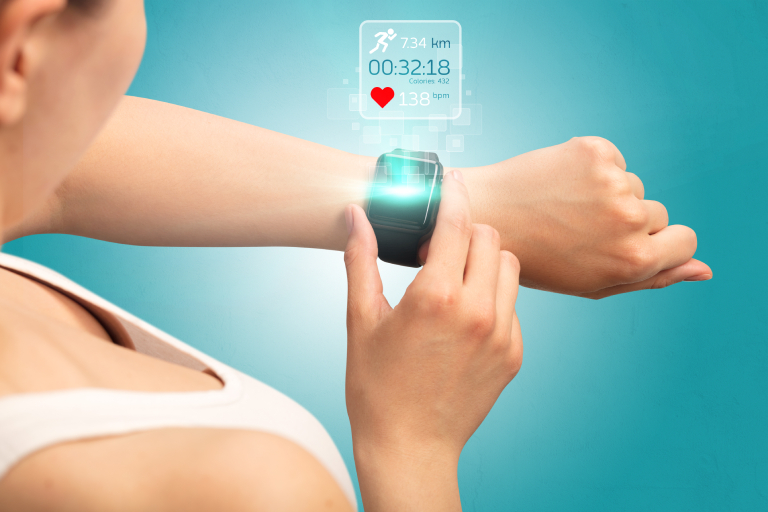

Preventive healthcare has always been about catching problems before they become serious. Traditionally, this relied on annual check-ups, lab tests, and patient-reported symptoms. Today, wearable devices are transforming this approach, enabling continuous, real-time monitoring that allows healthcare providers and individuals to intervene earlier and more effectively than ever before.
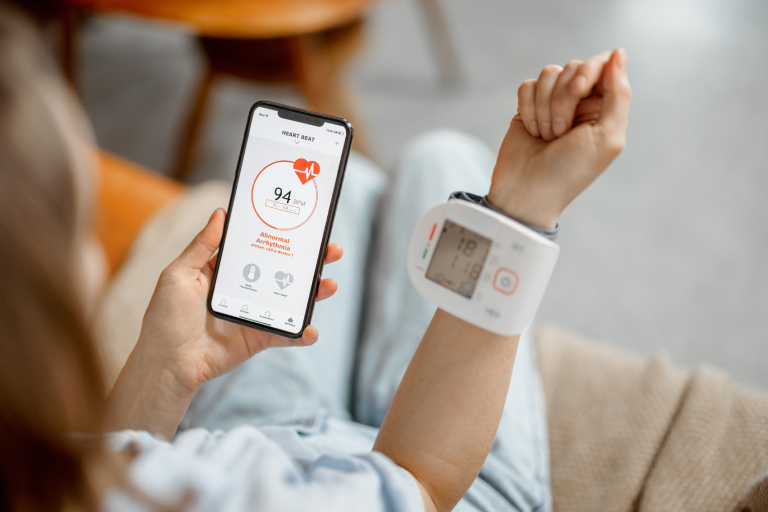
Continuous monitoring is at the heart of preventive healthcare innovation. Smartwatches, fitness trackers, and biosensing devices constantly collect data on heart rate, sleep patterns, activity levels, oxygen saturation, and even stress indicators. By tracking these metrics over time, wearables can reveal trends and anomalies that might otherwise go unnoticed until a serious issue arises. For example, subtle changes in resting heart rate or heart rhythm detected by a smartwatch can indicate early signs of cardiovascular disease, allowing timely preventive measures.
Integration with AI and predictive analytics further amplifies the preventive potential of wearables. Machine learning algorithms can analyze the massive amount of data generated by wearables to identify patterns and predict health risks. These insights can help users adjust lifestyle habits, such as exercise, diet, or sleep, before conditions like diabetes, hypertension, or metabolic syndrome develop. Healthcare providers can also use predictive data to recommend screenings, interventions, or lifestyle changes tailored to each individual, making preventive care personalized and proactive.
Early detection of chronic conditions is another critical advantage. Wearable devices can continuously monitor glucose levels, respiratory patterns, and blood pressure, alerting users and doctors to deviations before they become emergencies. For instance, smart patches that track glucose trends can prevent hypoglycemic events in diabetic patients, while continuous oxygen monitoring may alert COPD patients of an impending flare-up. By identifying risks early, wearables reduce the need for emergency care and hospital admissions, improving both health outcomes and cost-efficiency.
Promoting healthier behaviors is also a significant aspect of preventive healthcare through wearables. Devices provide real-time feedback, reminders, and goal tracking that motivate users to maintain healthy lifestyles. Gamified challenges, notifications, and progress reports encourage consistent activity, better sleep, and stress management. Over time, these habits reduce the risk of lifestyle-related diseases such as obesity, diabetes, and cardiovascular conditions.
Remote healthcare and telemedicine integration further strengthen prevention. Data from wearables can be shared with clinicians in real time, enabling remote monitoring and timely interventions. This connectivity is particularly valuable for high-risk populations, elderly patients, or those in rural areas, where access to healthcare facilities may be limited. Clinicians can proactively guide treatment, adjust medications, and monitor progress without waiting for scheduled visits, making preventive care continuous rather than episodic.








Leave a Comment