

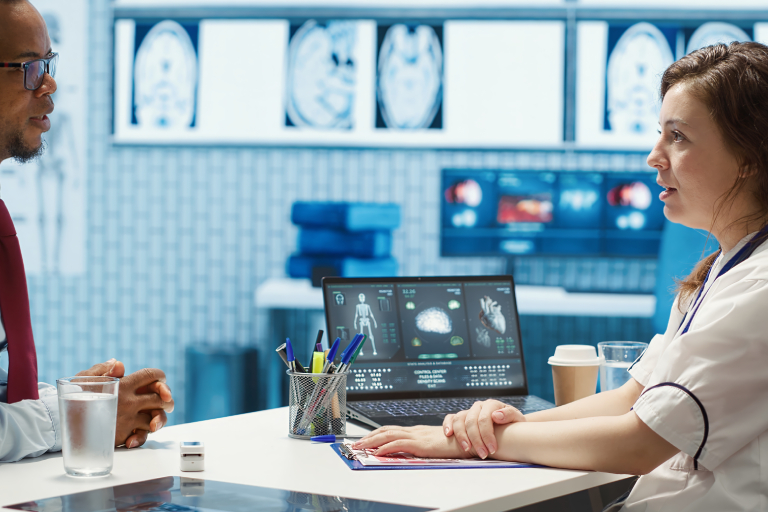

The field of medical imaging is evolving rapidly, and by 2026, radiologists will rely on advanced imaging software that combines AI, cloud integration, and sophisticated analytics to enhance diagnostic accuracy and efficiency. These tools are transforming how imaging studies are processed, interpreted, and shared across healthcare systems.
AI-powered image analysis is now a core feature of leading imaging software. Algorithms can automatically detect abnormalities in X-rays, CT scans, MRIs, and PET scans, highlighting areas that require closer examination. This reduces human error, accelerates diagnosis, and enables radiologists to focus on complex decision-making rather than repetitive tasks.
Cloud-based platforms are becoming standard, offering scalability, secure data storage, and remote access. Radiologists can review images from multiple locations, collaborate with colleagues, and provide tele-radiology services. Cloud integration also enables seamless updates, software improvements, and access to AI-powered analytics without the need for costly local infrastructure.
Interoperability with electronic health records (EHRs) enhances workflow efficiency. Modern imaging software can automatically link images with patient records, lab results, and prior studies, giving radiologists a complete clinical picture. This integration supports informed decision-making, reduces duplicate testing, and streamlines care coordination across departments.
Advanced visualization and 3D reconstruction tools are increasingly common. Radiologists can generate detailed 3D models from imaging data, improving surgical planning, tumor mapping, and diagnostic precision. These tools provide clearer insights for both clinicians and patients, supporting more accurate treatment decisions.
Predictive analytics and AI-driven reporting are emerging as key differentiators. Some platforms can predict disease progression, identify high-risk patients, and suggest follow-up imaging schedules. AI-assisted reporting ensures consistency, highlights critical findings, and integrates clinical guidelines directly into the workflow.
Security and compliance remain essential. Top imaging software ensures HIPAA and GDPR compliance, with encrypted data storage, secure transmission, and strict access controls. Vendors increasingly offer built-in auditing tools to help healthcare organizations meet regulatory requirements while maintaining patient privacy.
User experience and workflow customization are also priorities. Radiologists benefit from software that adapts to their workflow, with intuitive dashboards, automated measurements, and customizable alerts. This reduces cognitive load, increases productivity, and allows radiologists to focus on interpretation rather than software navigation.










Leave a Comment