

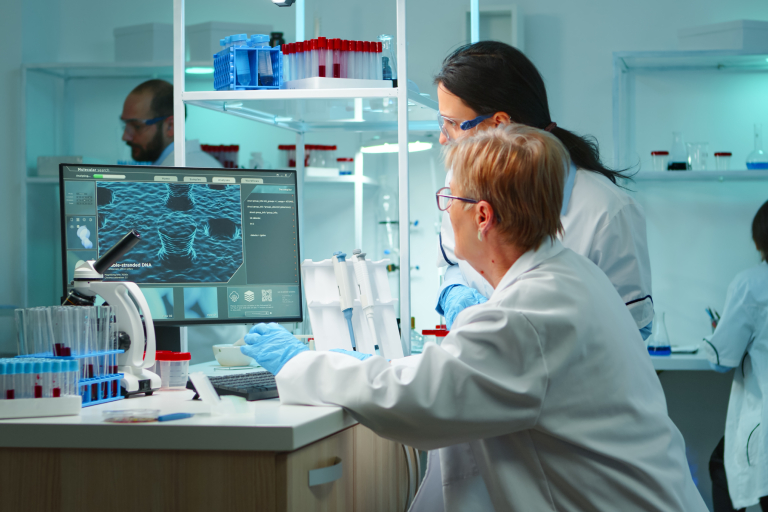

Laboratory technologies are evolving rapidly, driving better patient outcomes through faster, more accurate, and more comprehensive diagnostics. From automation and AI to advanced molecular testing, these innovations are transforming how clinicians detect, monitor, and treat diseases.
Automated analyzers and robotic systems are at the forefront of lab technology. By handling repetitive tasks such as sample preparation, pipetting, and centrifugation, these systems reduce human error and increase throughput. Faster, reliable test results allow clinicians to make timely decisions, which is crucial for critical care, infectious disease management, and chronic condition monitoring.
AI and machine learning are enhancing lab precision. AI algorithms analyze large datasets, identify subtle patterns, and detect anomalies that might be missed by human eyes. In areas like hematology, microbiology, and molecular diagnostics, AI-driven analysis improves accuracy, supports early detection, and reduces false positives and negatives, directly impacting patient treatment plans.
Next-generation sequencing (NGS) and molecular diagnostics are enabling personalized medicine. These technologies allow labs to examine genetic, proteomic, and metabolic profiles, guiding targeted therapies and predicting patient responses. Personalized insights improve treatment effectiveness, minimize adverse reactions, and enhance long-term health outcomes.
Point-of-care testing (POCT) is increasing accessibility and immediacy of diagnostics. Portable lab devices allow clinicians to perform rapid tests at the bedside, in clinics, or even in remote locations. Immediate results enable prompt interventions, particularly in emergency medicine, infectious disease outbreaks, and rural healthcare, improving survival rates and care quality.
Integration with electronic health records (EHRs) and health IT systems ensures that lab results are instantly available to clinicians. Seamless data flow supports coordinated care, reduces duplication of tests, and provides a complete view of patient health. This integration enhances clinical decision-making and allows for proactive management of chronic and acute conditions.
Advanced imaging and digital pathology technologies complement lab diagnostics. High-resolution scanners, automated slide analysis, and AI-assisted interpretation enable pathologists to identify abnormalities with greater precision. These technologies accelerate diagnosis, improve cancer detection, and guide treatment strategies, leading to better patient outcomes.
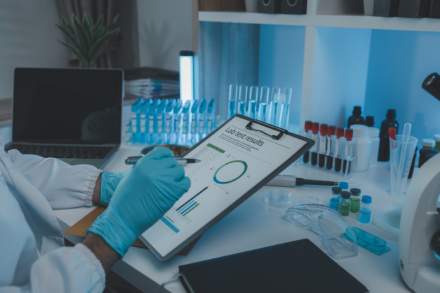
Quality control and standardization tools further improve reliability. Automated calibration, real-time monitoring, and standardized protocols ensure consistency across tests and devices. Reliable results build clinician confidence, reduce unnecessary repeat tests, and support effective, timely interventions.
Predictive analytics and data-driven insights allow labs to anticipate patient needs and optimize resource allocation. By analyzing trends, labs can proactively manage test volumes, prioritize high-risk cases, and support preventive care initiatives, ultimately improving population health outcomes.







Leave a Comment