

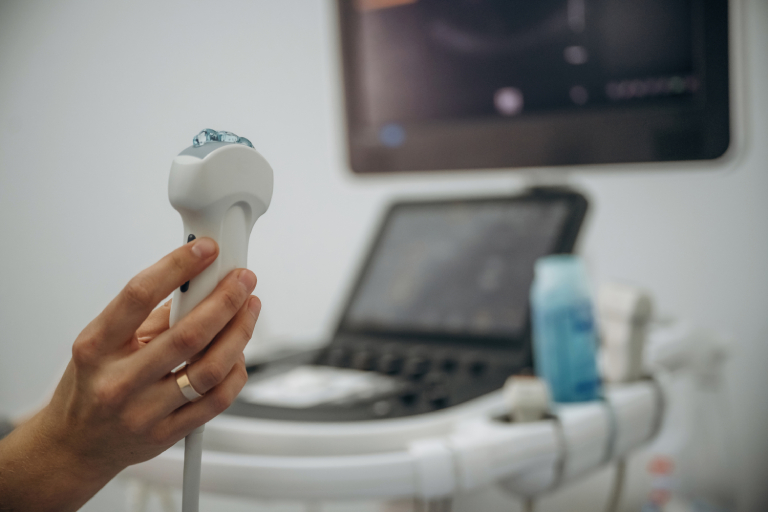

Ultrasound technology has long been a cornerstone of medical diagnostics, providing non-invasive, real-time imaging of organs, tissues, and blood flow. Traditionally, ultrasound machines were bulky, confined to hospital radiology departments, and required skilled technicians. However, the rise of portable ultrasound devices is changing the landscape of medical imaging, making it more accessible, efficient, and versatile than ever before.
One of the most significant advantages of portable ultrasound devices is mobility. These compact machines can be used at the bedside, in emergency rooms, rural clinics, or even in patients’ homes. This flexibility allows healthcare providers to perform quick scans without the delays associated with transporting patients to imaging centers. In critical care settings, rapid bedside ultrasounds can make the difference between life and death by enabling immediate detection of internal bleeding, cardiac issues, or fluid accumulation.
Technological advancements have also greatly enhanced the capabilities of portable ultrasound devices. Modern portable machines offer high-resolution imaging comparable to traditional units, with features like Doppler imaging, 3D reconstruction, and AI-assisted diagnostics. AI integration helps clinicians identify abnormalities faster, measure organ dimensions automatically, and even suggest potential diagnoses based on the scan. This reduces the learning curve for operators and ensures consistent, accurate results across different users.
Another key trend is the integration of mobile devices and cloud technology. Many portable ultrasound units are designed to connect with smartphones, tablets, or cloud platforms. This allows images to be stored, shared, and reviewed remotely, facilitating telemedicine and collaborative care. For example, a rural clinic can perform an ultrasound and immediately send the images to a specialist in a major city for expert consultation. This connectivity bridges the gap in healthcare access, especially in underserved areas.
Cost-effectiveness is also driving adoption. Portable devices are generally less expensive than full-sized ultrasound machines, require less maintenance, and consume less power. For hospitals and clinics looking to optimize budgets without compromising quality, portable ultrasounds provide a practical solution. Additionally, these devices support faster patient throughput, enabling more efficient workflows and improved overall care delivery.
The rise of handheld ultrasound devices is particularly noteworthy. Small enough to fit in a lab coat pocket, these tools are transforming point-of-care diagnostics. Emergency responders, general practitioners, and even medical students are using handheld ultrasounds to perform rapid assessments in real-world scenarios. This democratization of imaging technology is empowering healthcare professionals to make informed decisions on the spot.
In conclusion, the future of ultrasound lies in portability, connectivity, and intelligent integration. Portable devices are reshaping how and where imaging is performed, improving accessibility, efficiency, and patient outcomes. As technology continues to evolve, we can expect even smarter, more compact ultrasound systems that bring high-quality diagnostic imaging directly to the point of care, bridging the gap between patients and timely, accurate medical intervention.









Leave a Comment