

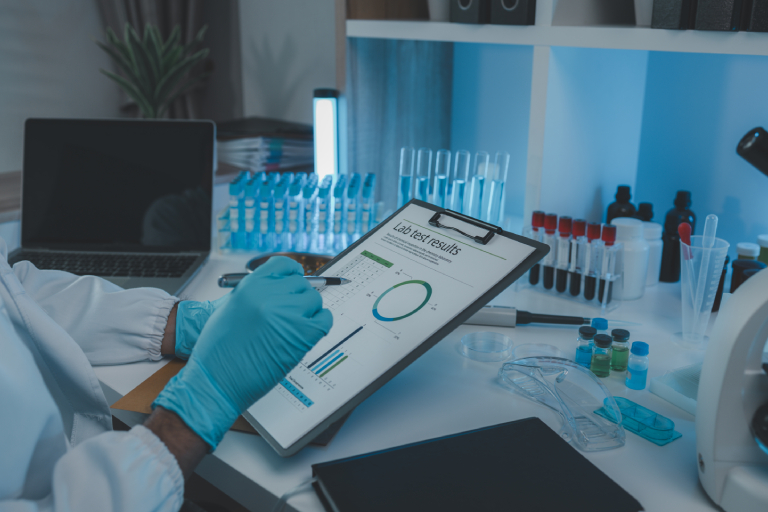

Laboratory diagnostics are at the heart of modern healthcare, providing critical information that drives diagnosis, treatment, and disease management. Recent innovations in lab diagnostics are streamlining processes, improving accuracy, and accelerating turnaround times, ultimately enhancing patient outcomes.
Automation is transforming clinical workflows. Robotic sample handling, automated analyzers, and high-throughput testing platforms allow laboratories to process large volumes of samples quickly and consistently. This reduces human error, increases efficiency, and ensures timely delivery of results, enabling clinicians to make faster, more informed decisions.
Integration with electronic health records (EHRs) has improved communication between labs and healthcare providers. Test results are automatically uploaded to patient records, allowing real-time access for physicians, reducing delays, and minimizing the risk of lost or miscommunicated data. This seamless integration supports coordinated care and better patient monitoring.
AI and machine learning are enhancing test accuracy. Advanced algorithms can detect anomalies, flag inconsistencies, and even predict potential disease progression based on lab data patterns. By supporting pathologists and lab technicians, AI improves diagnostic precision and ensures reliable interpretation of complex results.
Point-of-care testing is expanding accessibility. Compact, portable lab devices allow clinicians to conduct tests directly in clinics, emergency rooms, or remote locations. This real-time testing reduces the need for centralized labs, accelerates diagnosis, and allows immediate interventions—particularly important in critical care and rural healthcare settings.
Next-generation sequencing (NGS) and molecular diagnostics are enabling personalized medicine. Labs can now analyze genetic, proteomic, and metabolic data to provide insights into disease risk, drug response, and targeted therapies. These advancements make diagnostics more predictive and preventive, rather than merely reactive.
Quality control and standardization technologies are also improving laboratory reliability. Automated calibration, real-time monitoring, and standardized protocols ensure that results are consistent across devices, locations, and technicians. This reliability is crucial for accurate diagnoses and treatment decisions.
Data analytics and predictive insights further streamline laboratory operations. Labs can optimize workflows, anticipate test demand, and allocate resources efficiently. This not only improves productivity but also ensures timely patient care, especially during high-demand periods such as flu seasons or pandemic outbreaks.






Leave a Comment