

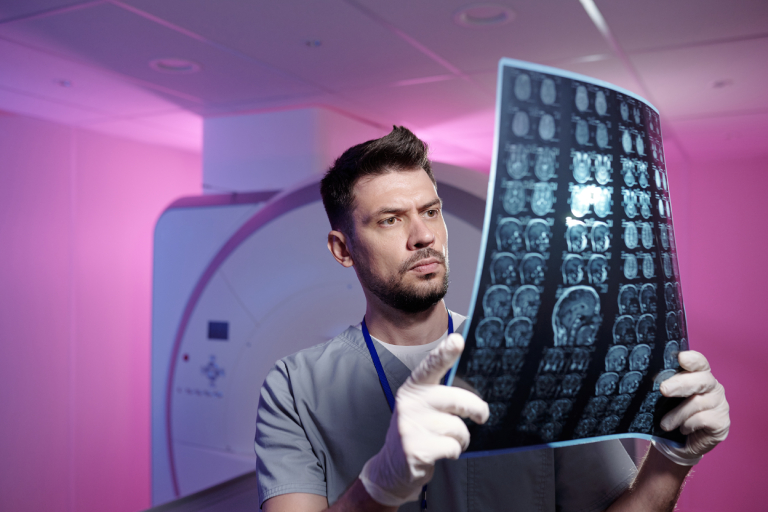

Medical imaging has come a long way since the discovery of X-rays over a century ago. Today, imaging technology encompasses a wide range of modalities—CT scans, MRIs, PET scans, ultrasound, and advanced 3D imaging—all of which are rapidly evolving to improve diagnostic accuracy, patient safety, and efficiency. The future promises even more sophisticated tools that combine artificial intelligence, digital integration, and real-time analytics.
Advanced imaging modalities are redefining diagnostics. MRI and CT scanners now offer higher resolution, faster scan times, and reduced radiation exposure. Functional imaging techniques, such as fMRI and PET scans, allow clinicians to visualize organ function, blood flow, and metabolic activity, providing insights beyond structural anatomy. These capabilities enable earlier detection of disease, more precise treatment planning, and improved patient outcomes.
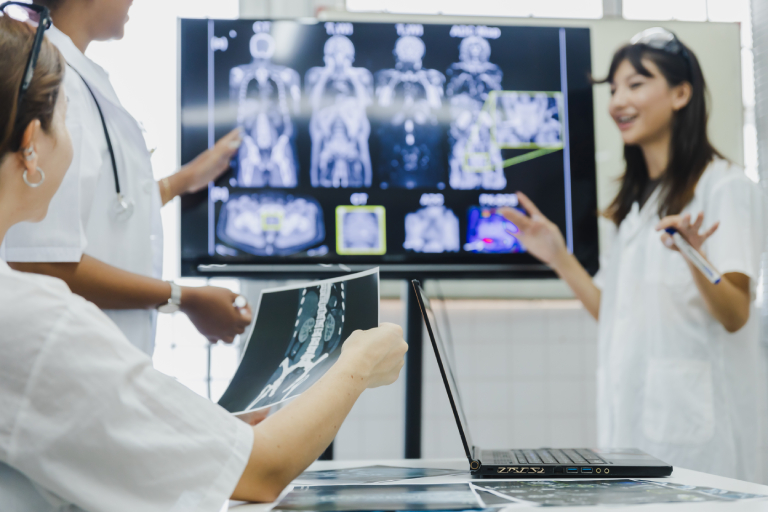
AI integration is accelerating the evolution of imaging technology. Algorithms can automatically detect abnormalities, quantify lesions, and prioritize critical findings. AI-powered imaging platforms can also cross-reference historical patient data, lab results, and prior scans to support predictive diagnostics. This collaboration between AI and radiologists increases diagnostic accuracy while reducing errors and workflow bottlenecks.
3D and 4D imaging are becoming standard tools. Advanced software can reconstruct organs, tumors, or vascular systems in three dimensions, and even visualize changes over time with 4D imaging. Surgeons and interventional radiologists can plan procedures with unprecedented precision, minimizing invasiveness and improving patient recovery times.
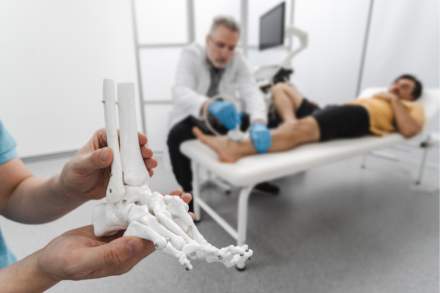
Portable and point-of-care imaging is expanding access to diagnostics. Compact ultrasound devices, handheld X-ray machines, and mobile MRI units allow imaging to be performed at the bedside, in rural clinics, or in emergency settings. These innovations are especially valuable for remote healthcare delivery, enabling timely diagnosis and treatment in underserved regions.
Integration with electronic health records (EHRs) and telemedicine platforms enhances collaboration and continuity of care. Imaging data can be securely shared across hospitals, specialists, and remote monitoring systems, ensuring that clinicians have complete, up-to-date information when making decisions. Cloud-based imaging platforms further streamline storage, analysis, and accessibility.
Future trends point toward even more intelligent and connected imaging systems. Expect wider adoption of AI-driven predictive analytics, augmented reality-assisted imaging for surgical guidance, and hybrid imaging techniques that combine multiple modalities for comprehensive diagnostics. Patient-centered innovations, such as lower radiation doses, shorter scan times, and improved comfort, will continue to enhance the overall experience.





Leave a Comment