



Surgery has always carried inherent risks, from infections and blood loss to longer recovery periods. Today, advances in surgical technology are dramatically reducing these risks while accelerating patient recovery. From robotic systems and minimally invasive tools to AI-assisted planning, technology is reshaping how surgeries are performed and how patients heal.
Robotic-assisted surgery is one of the most impactful innovations. By translating a surgeon’s hand movements into precise, tremor-free motions, robotic systems allow for highly accurate procedures. Smaller, more controlled movements reduce tissue trauma, minimize blood loss, and lower the likelihood of complications. This level of precision is particularly valuable in delicate operations such as cardiac, neurological, and urological surgeries, where even a minor error can have serious consequences.
Minimally invasive devices also play a critical role in reducing risk and recovery time. Laparoscopic and endoscopic instruments allow surgeons to operate through tiny incisions rather than large, open cuts. Smaller incisions mean less trauma to surrounding tissues, reduced postoperative pain, and a lower risk of infections. Patients typically experience shorter hospital stays and can return to normal activities much faster than with traditional surgery.
AI and predictive analytics are enhancing surgical planning and intraoperative decision-making. AI algorithms analyze imaging data to identify potential risks, map out optimal surgical paths, and even predict patient-specific complications. Surgeons can anticipate challenges before and during surgery, improving accuracy and reducing the likelihood of adverse outcomes. Additionally, AI can assist in real-time monitoring, alerting the surgical team to subtle changes in patient status that might otherwise go unnoticed.
Advanced imaging and navigation systems are transforming how surgeons visualize anatomy during operations. High-definition cameras, 3D imaging, and real-time intraoperative scans provide unparalleled visibility, allowing for precise targeting of diseased tissue while preserving healthy structures. For complex procedures, this reduces operative time and minimizes the potential for errors that could prolong recovery or necessitate additional interventions.
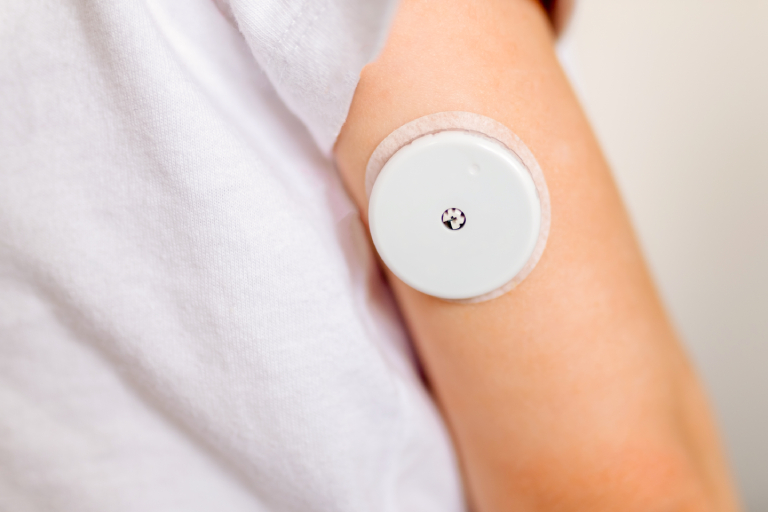
Enhanced recovery protocols, supported by technology, further improve patient outcomes. Wearable monitoring devices, smart post-operative care systems, and telemedicine check-ins allow clinicians to track patient progress remotely. Early detection of complications such as infections, blood clots, or abnormal vital signs enables prompt intervention, reducing hospital readmissions and accelerating recovery.
Training and simulation technology also contribute to safer surgeries. Virtual reality (VR) and surgical simulators allow surgeons to practice procedures in a risk-free environment. This preparation improves skill, confidence, and decision-making in the OR, ultimately reducing surgical errors and improving patient safety.







Leave a Comment