

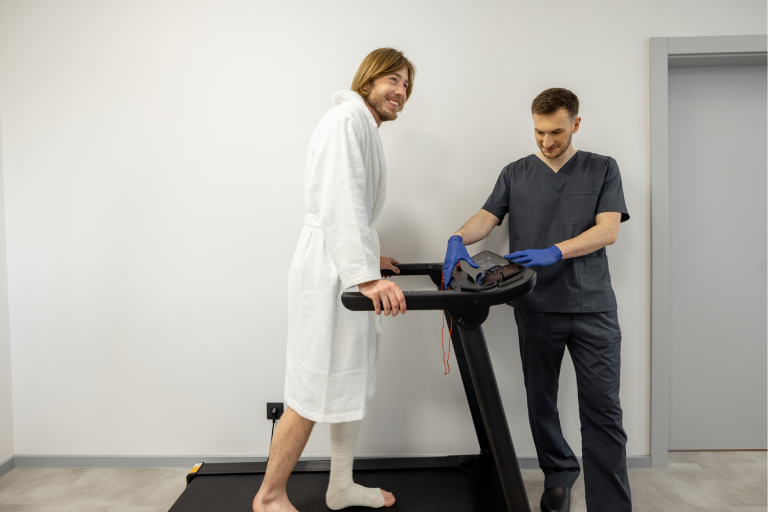

Advancements in technology are redefining physical therapy, offering devices that accelerate recovery, enhance mobility, and improve patient outcomes. From smart exercise equipment to wearable sensors, tech-driven tools are transforming rehabilitation into a more precise, data-driven process.
Automated exercise devices guide patients through therapeutic movements with precision. Robotic or motor-assisted machines ensure correct motion patterns, reducing the risk of injury while strengthening targeted muscles. Real-time feedback helps patients maintain proper form, increasing the effectiveness of each session.
Wearable sensors and motion trackers monitor range of motion, joint angles, and activity levels. These devices provide immediate feedback to patients and therapists, allowing adjustments to exercises and creating personalized recovery plans. Data collected over time helps track progress and predict the patient’s next rehabilitation steps.
Virtual reality (VR) and augmented reality (AR) therapy are making rehabilitation more engaging and effective. VR exercises immerse patients in interactive environments, encouraging full participation and consistent effort. AR overlays can guide movement corrections during exercises, enhancing motor learning and coordination.
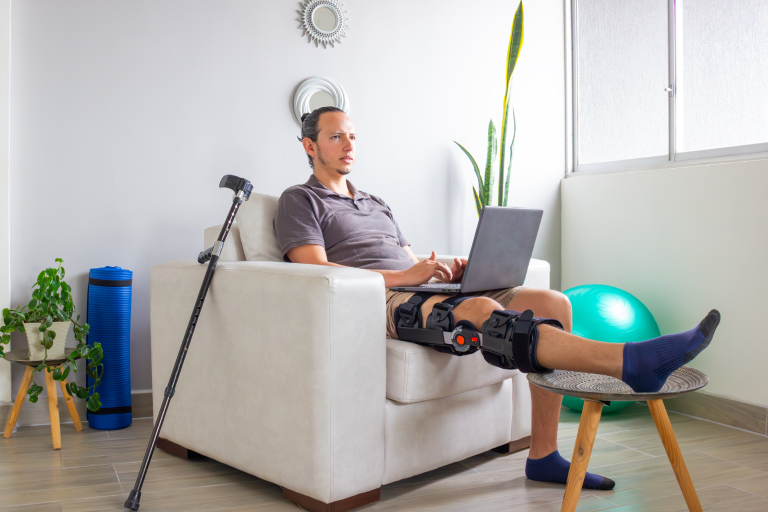
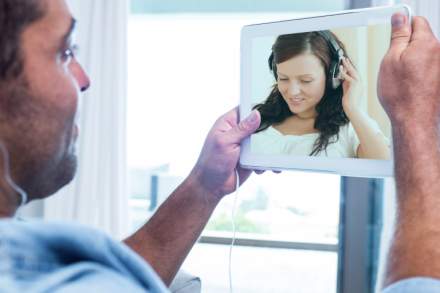
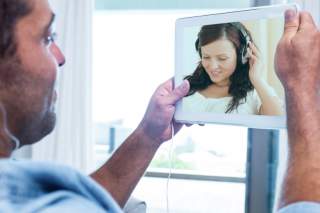
Tele-rehabilitation integration allows patients to continue therapy from home. Devices connected to mobile apps or cloud platforms can send data to therapists remotely, enabling progress monitoring and timely adjustments to treatment plans. This approach is especially valuable for patients in rural or underserved areas.
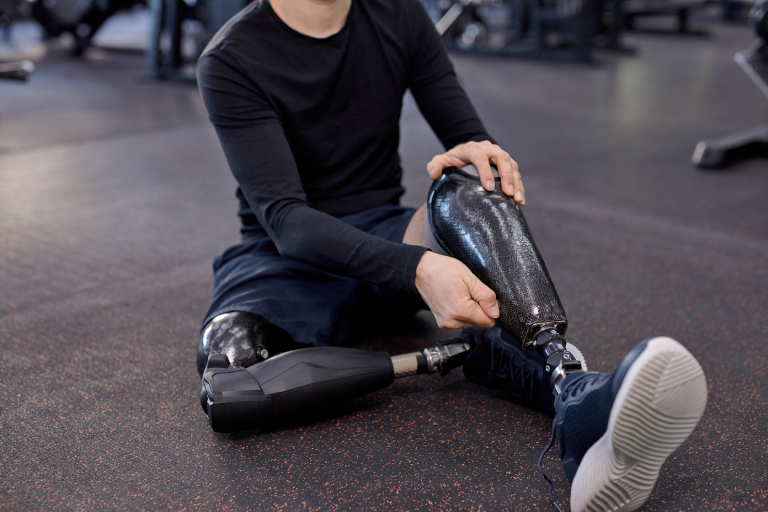
Robotics-assisted rehabilitation is accelerating recovery for patients with neurological injuries. Robotic exoskeletons, arm trainers, and gait trainers help patients rebuild strength and coordination by providing consistent, repeatable movements. AI-driven algorithms adapt the level of assistance based on patient performance, optimizing therapy sessions.
Enhanced patient motivation comes from data visualization and progress tracking. Devices provide feedback on performance, milestones achieved, and improvements over time, encouraging adherence to therapy regimens. Motivation and engagement are critical factors in successful rehabilitation.
Integration with health records and analytics improves care quality. Data from devices can be synced with electronic health records (EHRs), allowing clinicians to review progress comprehensively, adjust interventions, and communicate results with other healthcare providers. This ensures a coordinated and effective rehabilitation plan.




Leave a Comment