

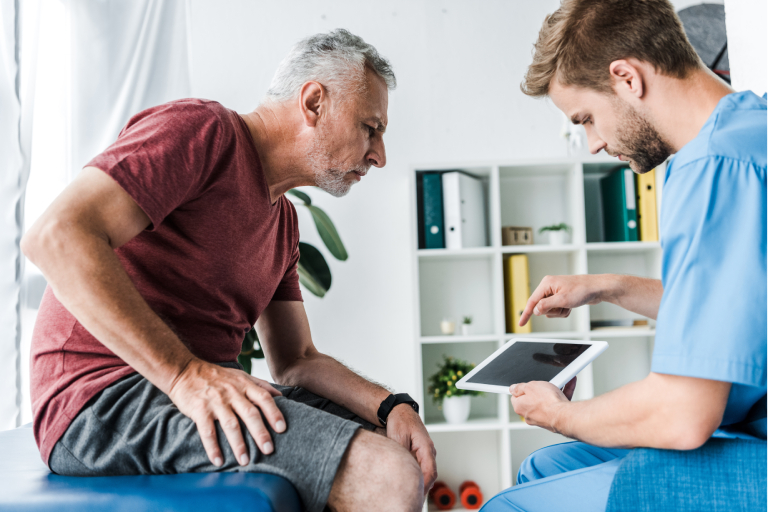

Digital tracking is revolutionizing rehabilitation by providing precise, real-time insights into patient progress, adherence, and performance. Through wearable devices, sensors, and connected platforms, therapists can monitor recovery remotely, adjust treatment plans, and optimize outcomes like never before.
Real-time monitoring enhances accuracy. Sensors embedded in wearable rehab devices track movement, range of motion, joint angles, and muscle activity. This data allows therapists to see exactly how patients perform exercises, ensuring proper form, minimizing injury risk, and improving the effectiveness of each session.
Data-driven personalization is a major benefit. Digital tracking platforms analyze patient performance over time, identifying strengths, weaknesses, and trends. Therapists can then tailor exercise intensity, duration, and frequency to each individual, creating customized rehabilitation plans that adapt to progress and recovery needs.
Improved adherence and motivation are key outcomes. Patients can visualize their progress through apps and dashboards, see milestones achieved, and receive reminders or encouragement to complete exercises. Gamification features—such as scoring systems, achievements, and virtual challenges—make therapy engaging, increasing consistency and accelerating recovery.
Remote rehabilitation and telemedicine integration expand accessibility. Patients recovering at home or in rural areas can use digitally tracked devices while therapists monitor their performance remotely. This allows clinicians to provide timely guidance, adjust therapy plans, and maintain accountability without frequent clinic visits.
Objective outcome measurement is another advantage. Digital tracking provides quantifiable metrics for therapists to evaluate effectiveness, document progress, and justify treatment adjustments. Objective data improves clinical decision-making, supports evidence-based therapy, and helps identify areas that require additional focus.
Enhanced communication and collaboration among care teams is facilitated by connected platforms. Data from wearable devices can be shared with multiple providers—physical therapists, physicians, and rehabilitation specialists—ensuring coordinated care. This collaborative approach reduces errors, prevents overlapping treatments, and supports comprehensive patient management.
Applications across conditions are diverse. Patients recovering from orthopedic surgery, strokes, neurological disorders, or sports injuries benefit from digitally tracked rehabilitation. Continuous monitoring ensures exercises are performed correctly, progress is measured accurately, and recovery timelines are optimized.
Long-term benefits include improved functional outcomes and reduced healthcare costs. Digital tracking accelerates recovery by ensuring consistent, precise therapy while preventing setbacks caused by improper exercise or poor adherence. Faster rehabilitation reduces hospital visits, shortens therapy duration, and enhances overall quality of life for patients.








Leave a Comment