

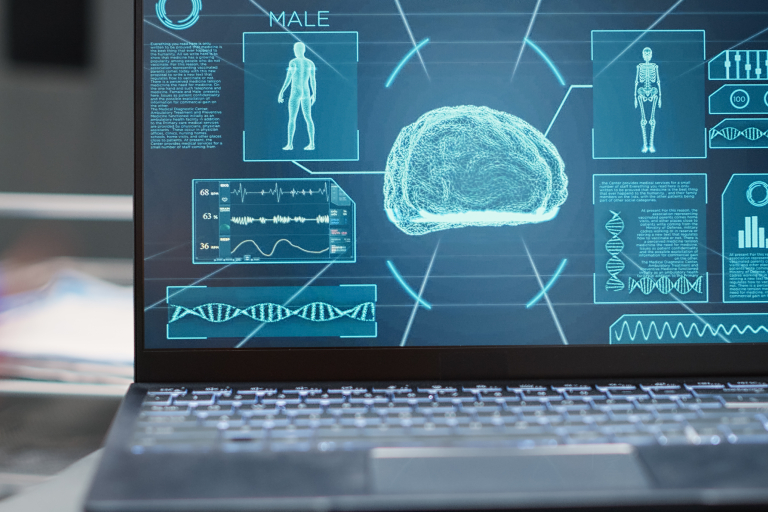

Artificial intelligence (AI) is transforming diagnostics by enabling faster, smarter, and more accurate detection of diseases. From imaging to lab results and pattern recognition, AI-powered tools are assisting clinicians in making precise diagnoses while reducing human error and accelerating treatment decisions.
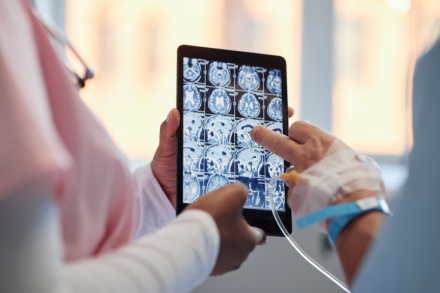
Medical imaging is one of the most visible areas of AI application. Algorithms can analyze X-rays, CT scans, and MRIs in seconds, identifying anomalies such as tumors, fractures, or infections that may be missed by the human eye. AI systems not only increase diagnostic speed but also provide quantitative insights, highlighting areas of concern and prioritizing urgent cases for review by radiologists.
Pattern recognition and predictive modeling expand AI’s diagnostic capabilities beyond imaging. AI can sift through massive datasets, including lab results, patient histories, and genetic information, to detect subtle correlations that indicate early-stage disease. For example, algorithms can predict the onset of conditions like sepsis or diabetes by recognizing patterns invisible to conventional analysis, enabling proactive interventions.
Improving accuracy and reducing errors is a major benefit of AI integration. Human diagnostic errors remain a significant challenge in healthcare, contributing to delayed treatment and adverse outcomes. AI acts as a second set of eyes, cross-referencing data with established guidelines and large-scale datasets. This combination of human expertise and AI insight improves diagnostic confidence and reduces misdiagnoses.
Workflow efficiency and clinical support are enhanced by AI. Automated diagnostic tools reduce the time clinicians spend on routine data review, allowing them to focus on patient interaction and complex decision-making. By streamlining workflows, AI not only improves efficiency but also helps reduce clinician burnout—a growing concern in healthcare systems worldwide.
Integration with digital health platforms amplifies AI’s impact. AI can pull data from electronic health records (EHRs), wearable devices, and remote monitoring tools to provide comprehensive diagnostic insights. This continuous data integration ensures that AI predictions are informed by the most current and relevant patient information, supporting timely and personalized care.
Challenges remain, including algorithm transparency, regulatory compliance, and ethical considerations. Clinicians must understand how AI reaches its conclusions to trust its recommendations. Ensuring AI systems are unbiased, secure, and validated in diverse patient populations is critical for safe adoption.






Leave a Comment