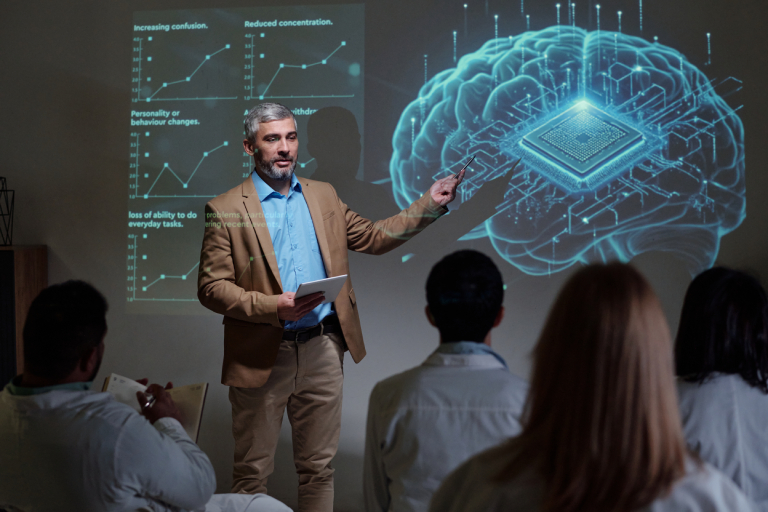

Artificial intelligence (AI) is transforming cognitive rehabilitation, providing personalized, adaptive, and data-driven solutions for individuals recovering from brain injuries, strokes, or cognitive impairments. By analyzing performance and tailoring interventions, AI-powered programs optimize recovery and enhance outcomes.
Personalized therapy through AI is a key advantage. Traditional cognitive rehabilitation often relies on standardized exercises that may not suit every patient. AI programs analyze individual performance patterns and adjust difficulty, pace, and content in real time, ensuring that therapy is both challenging and achievable.
Real-time feedback accelerates learning. AI-driven systems monitor responses, accuracy, and speed during exercises, providing immediate guidance. Patients can see errors, corrections, and progress, which reinforces learning, improves engagement, and reduces frustration during the rehabilitation process.
Data-driven insights enhance clinical decision-making. AI collects detailed metrics on patient performance, including response times, accuracy trends, and memory retention. Clinicians can use this data to evaluate progress, modify treatment plans, and predict recovery timelines, making therapy more effective and targeted.
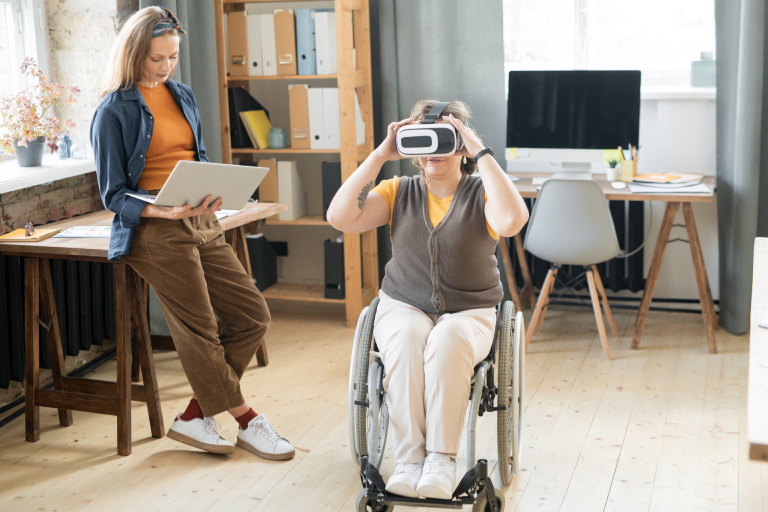
Adaptive rehabilitation exercises simulate real-life scenarios to improve functional outcomes. Virtual reality (VR), gamified exercises, and interactive simulations challenge cognitive functions such as memory, attention, problem-solving, and executive skills. AI ensures exercises evolve with the patient’s improvement, maintaining optimal engagement and efficacy.
Remote rehabilitation capabilities are a growing benefit. Many AI-powered cognitive rehab programs are accessible through apps or online platforms, enabling patients to continue therapy at home. Clinicians can monitor activity remotely, provide feedback, and adjust programs without requiring frequent in-person sessions, expanding accessibility and continuity of care.
Motivation and engagement are enhanced through gamification. AI platforms often include scoring systems, achievement tracking, and virtual rewards, encouraging patients to complete exercises consistently. Higher engagement leads to better adherence, faster progress, and improved overall cognitive recovery.
Predictive analytics support proactive interventions. AI algorithms can detect patterns indicative of potential setbacks or slower recovery. By predicting challenges before they arise, therapists can intervene early, adjust exercises, or introduce supplemental therapies, preventing plateaus and optimizing outcomes.
Applications extend across conditions such as traumatic brain injury, stroke rehabilitation, dementia, and age-related cognitive decline. AI programs can be customized for each condition, focusing on specific deficits while promoting functional independence and cognitive resilience.



Leave a Comment