

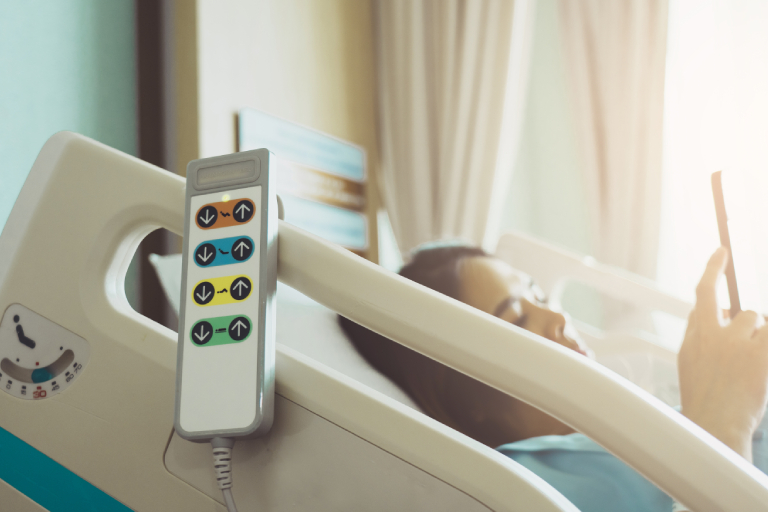

Hospital readmissions are a major challenge for healthcare systems worldwide. They not only increase costs but also indicate gaps in patient care, especially for those with chronic conditions. Remote patient monitoring (RPM) is emerging as a powerful solution to reduce readmissions by keeping patients connected to clinicians after discharge and enabling proactive intervention.
Continuous monitoring of vital signs is at the core of RPM. Devices such as wearable sensors, smart patches, and home-based monitors track metrics like heart rate, blood pressure, oxygen levels, and glucose in real time. This allows clinicians to detect early warning signs before they escalate into emergencies. For example, a heart failure patient’s weight gain or increased blood pressure can be flagged immediately, prompting timely intervention that can prevent hospitalization.
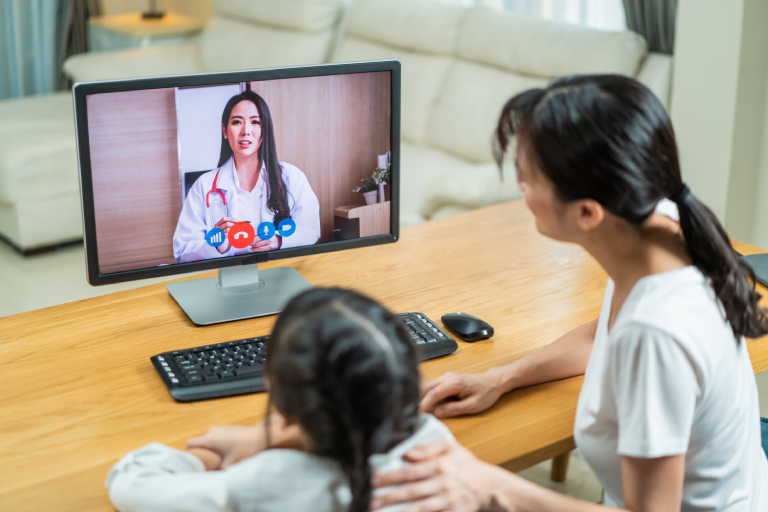
Integration with telehealth platforms enhances the effectiveness of remote monitoring. Patients can communicate with healthcare providers through video calls, messaging, or app-based updates, ensuring any issues are addressed quickly. Clinicians can review RPM data remotely, adjust medications, or recommend lifestyle changes without the patient having to return to the hospital. This level of continuous care reduces complications and supports safer transitions from hospital to home.
Data analytics and AI are key enablers in RPM programs. Advanced algorithms can analyze trends across multiple data points, identify patterns, and predict potential health events. For instance, AI can detect subtle changes in a diabetic patient’s glucose trends or early signs of infection, allowing intervention before conditions worsen. By leveraging predictive insights, hospitals can reduce avoidable readmissions and improve patient outcomes.
Patient engagement and adherence also improve with RPM. Interactive dashboards, automated reminders, and personalized alerts keep patients actively involved in their care. Patients become more aware of their health metrics, understand the impact of their behaviors, and follow treatment plans more consistently. Engaged patients are less likely to experience complications, which directly lowers the likelihood of readmission.
Cost-effectiveness is another advantage. Preventing hospital readmissions reduces healthcare costs for both patients and providers. Hospitals benefit by avoiding penalties associated with high readmission rates, while patients save on expensive emergency care. RPM programs optimize resource utilization, allowing clinicians to focus on high-risk patients who need hands-on care while monitoring others remotely.
Specialized RPM applications are making an impact across multiple conditions, including heart disease, COPD, diabetes, and post-surgical recovery. Patients with chronic illnesses are particularly vulnerable to readmissions, and RPM ensures continuous supervision, timely interventions, and better long-term outcomes.







Leave a Comment