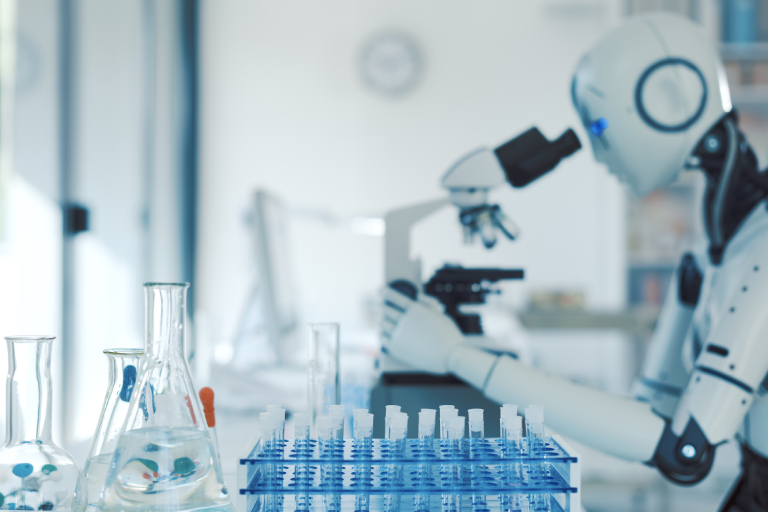

Drug development has traditionally been a slow, expensive, and high-risk process, often taking over a decade from discovery to market. Artificial intelligence (AI) is now revolutionizing this process by accelerating research, improving accuracy, and reducing costs, enabling pharmaceutical companies to bring new therapies to patients faster than ever before.
Early-stage drug discovery is one of the most time-consuming phases. AI algorithms can analyze vast chemical and biological datasets to identify promising drug candidates in days rather than months. Machine learning models predict how compounds will interact with specific targets, filter out molecules with low efficacy, and flag potential toxicity issues before costly laboratory testing begins. This allows researchers to focus only on the most viable candidates, significantly reducing development timelines.
Predictive modeling for clinical trials is another key application of AI. By analyzing historical trial data, patient demographics, genetic profiles, and disease progression patterns, AI can identify ideal patient cohorts, optimal dosing strategies, and potential side effects. This precision minimizes trial failures, speeds up recruitment, and ensures that studies are more efficient and targeted. In many cases, AI simulations can replace or supplement certain preclinical experiments, further reducing time and cost.
AI-driven biomarker discovery is transforming targeted therapies. By sifting through genomic, proteomic, and metabolomic data, AI identifies biomarkers that predict patient response to specific treatments. This not only improves clinical trial design but also supports personalized medicine, ensuring that therapies are administered to the patients most likely to benefit. The result is higher efficacy, fewer adverse events, and faster regulatory approval.
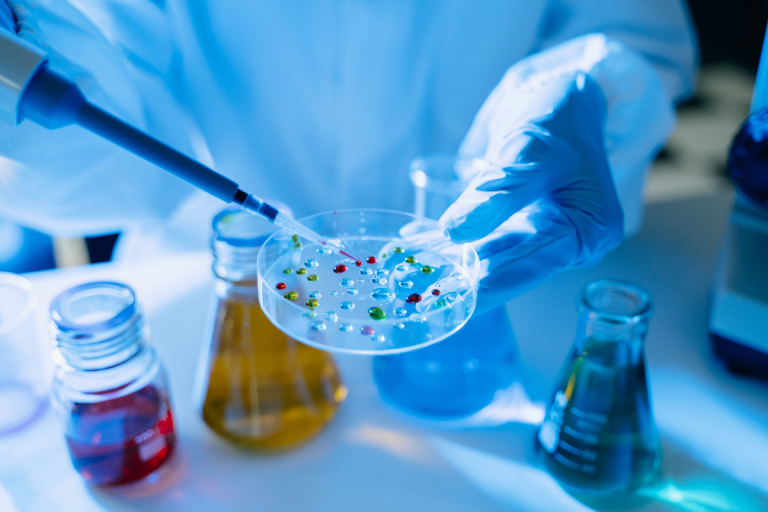
Optimization of drug formulation and delivery is also benefiting from AI. Machine learning models can predict the most effective drug formulations, delivery routes, and dosing schedules, reducing the need for trial-and-error experiments. For example, AI can optimize nanoparticle design for targeted drug delivery, enhancing therapeutic effectiveness while minimizing toxicity.
Regulatory support and decision-making are increasingly AI-enabled. Natural language processing (NLP) tools scan regulatory guidelines, scientific literature, and clinical trial reports to ensure compliance and identify potential risks early in development. This helps companies navigate complex approval pathways efficiently, reducing delays and accelerating time-to-market.
Reducing cost and risk is a major advantage of AI in drug development. By streamlining discovery, optimizing clinical trials, and improving formulation design, AI reduces the resources and capital required for each drug candidate. This allows pharmaceutical companies to invest in more projects simultaneously, increasing innovation while mitigating financial risk.








Leave a Comment